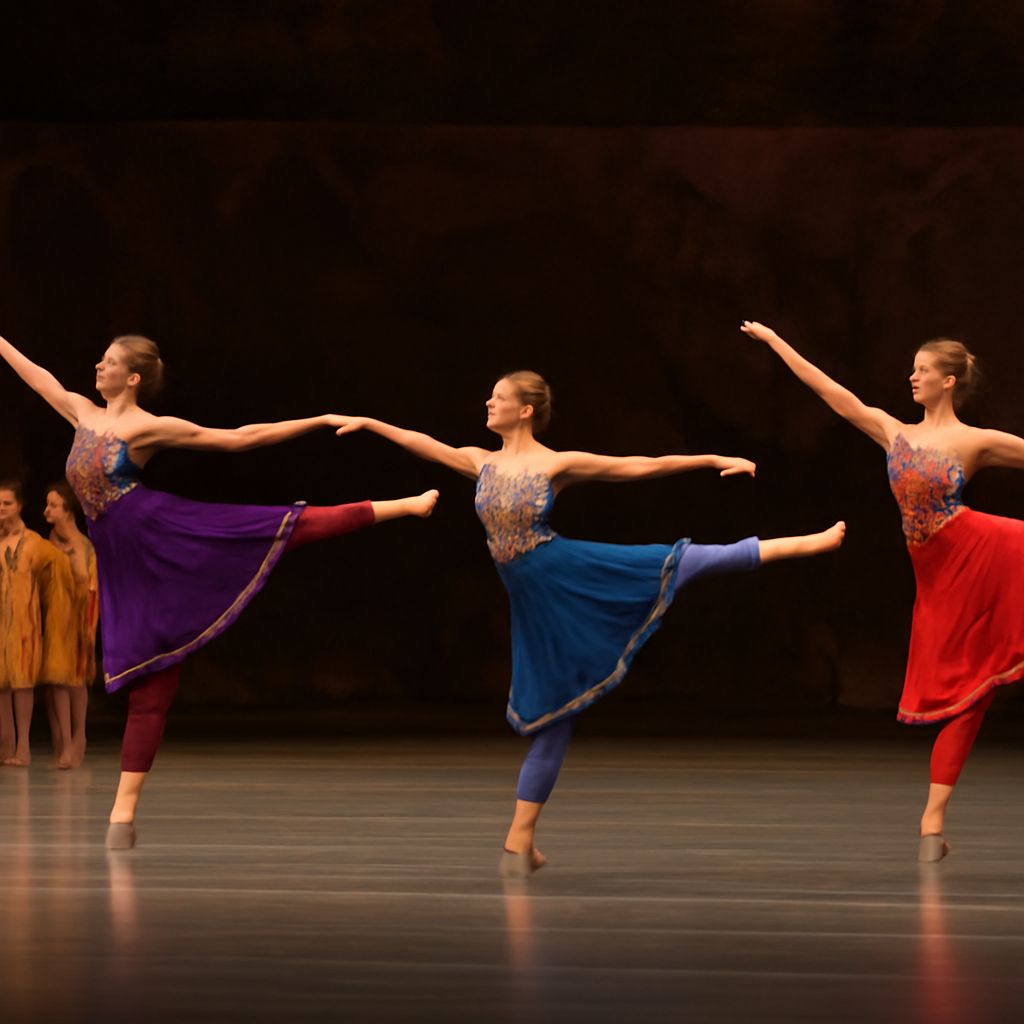
Dance theatre is a captivating art form that seamlessly blends the expressive movements of dance with the dramatic elements of theatre. It offers audiences a unique experience, characterized by its ability to tell complex stories through choreography and theatrical performance. Dance theatre is not confined to any specific technique or style; instead, it embraces a diverse range of influences, making it an ever-evolving form of artistic expression.
What is dance theatre?
Dance theatre is an interdisciplinary form of performance art that fuses dance and theatrical techniques to convey stories, emotions, and ideas. It often involves a narrative or thematic structure, utilizing elements such as spoken word, music, and visual design to enhance the storytelling. This genre emerged in the 20th century, with pioneers such as Pina Bausch, who redefined the boundaries between dance and theatre. Dance theatre productions typically engage audiences on multiple sensory levels, creating an immersive and thought-provoking experience.
The role of a school of dance in dance theatre
A school of dance plays a pivotal role in nurturing future talents in dance theatre. These institutions provide training that encompasses both technical dance skills and theatrical performance techniques. Students are often exposed to a variety of styles and genres, allowing them to develop a versatile skill set. Advanced programs may offer specialized courses in choreography, stagecraft, and performance studies, ensuring that graduates are well-prepared for careers in dance theatre. Additionally, schools of dance often collaborate with professional companies, providing students with opportunities to gain practical experience and industry exposure.
Opportunities in dance theatre
Dance theatre offers numerous opportunities for performers, choreographers, directors, and other creative professionals. Performers can find work in established dance theatre companies, participate in independent productions, or even create their own projects. Choreographers and directors have the chance to innovate and experiment with new forms and concepts, often collaborating with visual artists, musicians, and dramaturgs to create multidimensional performances. Beyond performing and creating, there are opportunities in dance education, where artists can share their skills and inspire the next generation of performers. The diverse nature of dance theatre means that professionals can work across various platforms, from traditional stages to experimental venues.
Impact of dance theatre on performance craft
Dance theatre has a profound impact on the overall landscape of performance craft. It challenges traditional notions of both dance and theatre, encouraging artists to break free from established conventions and explore new methods of storytelling. This form has led to the development of innovative choreography techniques and enriched the expressive potential of performers. By integrating different artistic disciplines, dance theatre fosters a collaborative spirit and often results in groundbreaking work that pushes the boundaries of what performance art can achieve. The influence of dance theatre extends beyond the stage, as it continues to shape contemporary performance practices and inspire artists across the globe.