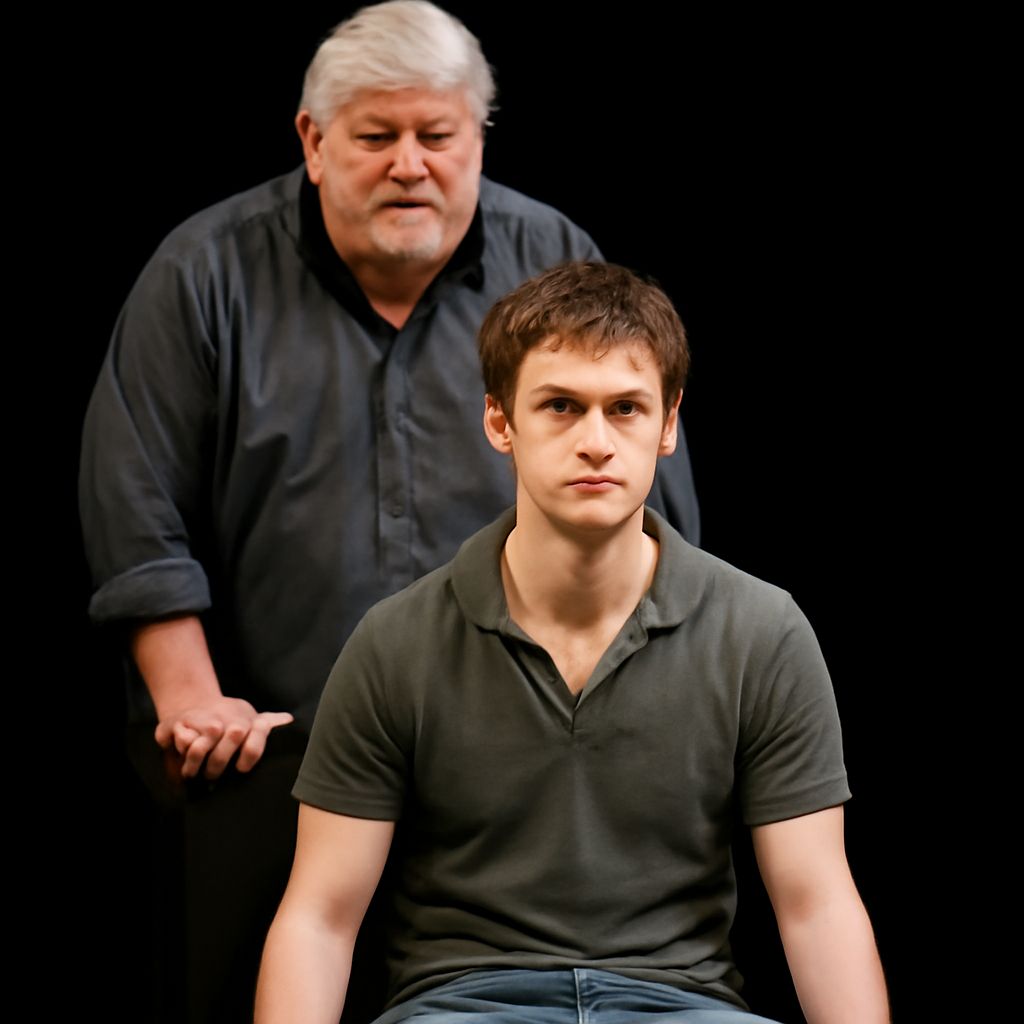
Daniel Radcliffe, best known for his role as Harry Potter, took on a bold and transformative role in the play “Equus” by Peter Shaffer. This performance marked a significant departure from his early film career, showcasing his range and dedication as an actor. In “Equus,” Radcliffe portrays Alan Strang, a troubled young man with a mysterious obsession with horses. This role challenged him to explore deep emotional and psychological complexities, earning him critical acclaim and solidifying his status as a versatile actor.
Daniel Radcliffe’s transformative performance in ‘Equus’
Radcliffe’s portrayal of Alan Strang in “Equus” was a significant turning point in his career. The character of Alan is complex, driven by an intense and unsettling fascination with horses, leading to a dramatic and controversial incident. Radcliffe’s commitment to the role was evident in his preparation and performance, demonstrating his willingness to take risks and push artistic boundaries.
His decision to take on such a challenging role was met with both curiosity and skepticism. However, Radcliffe’s skillful interpretation of Alan Strang impressed audiences and critics alike, proving his capability to handle mature and demanding roles. This performance highlighted his ability to convey vulnerability and intensity, traits essential to the character’s psychological depth.
The themes and impact of ‘Equus’
“Equus” is a thought-provoking play that delves into themes of passion, worship, and psychological conflict. Written by Peter Shaffer, the play explores the reasons behind Alan Strang’s shocking actions, inviting audiences to question the nature of normality and the boundaries of personal freedom. It raises profound questions about the influence of societal norms and the often-destructive power of obsession.
The impact of “Equus” extends beyond its gripping narrative. It challenges audiences to reflect on the complexities of human behavior and the intricate interplay between individual desires and societal expectations. The play’s raw emotional intensity and philosophical undertones make it a timeless piece of theater that continues to resonate with audiences today.
Preparing for a monologue from ‘Equus’
Performing a monologue from “Equus” requires a deep understanding of the character’s psyche and the play’s thematic elements. Actors preparing for a monologue should start by thoroughly reading the play to grasp the nuances of Alan Strang’s character and the context of his actions.
Understanding Alan’s motivations is crucial. His monologues often reveal his inner turmoil and struggle with identity, requiring actors to convey a range of emotions, from confusion to anguish. Practicing these emotional transitions can help actors deliver a compelling and believable performance.
Additionally, actors should focus on maintaining an authentic connection to the character’s experiences. Physicality plays a significant role in conveying the intensity of Alan’s emotions. Incorporating subtle gestures and body language can enhance the impact of the monologue, making it more engaging for the audience.
Overall, Daniel Radcliffe’s role in “Equus” and the play itself offer rich material for actors and theater enthusiasts alike. Whether observing Radcliffe’s transformative performance or preparing to deliver a monologue, the experience of “Equus” provides a captivating journey into the depths of human emotion and thought.