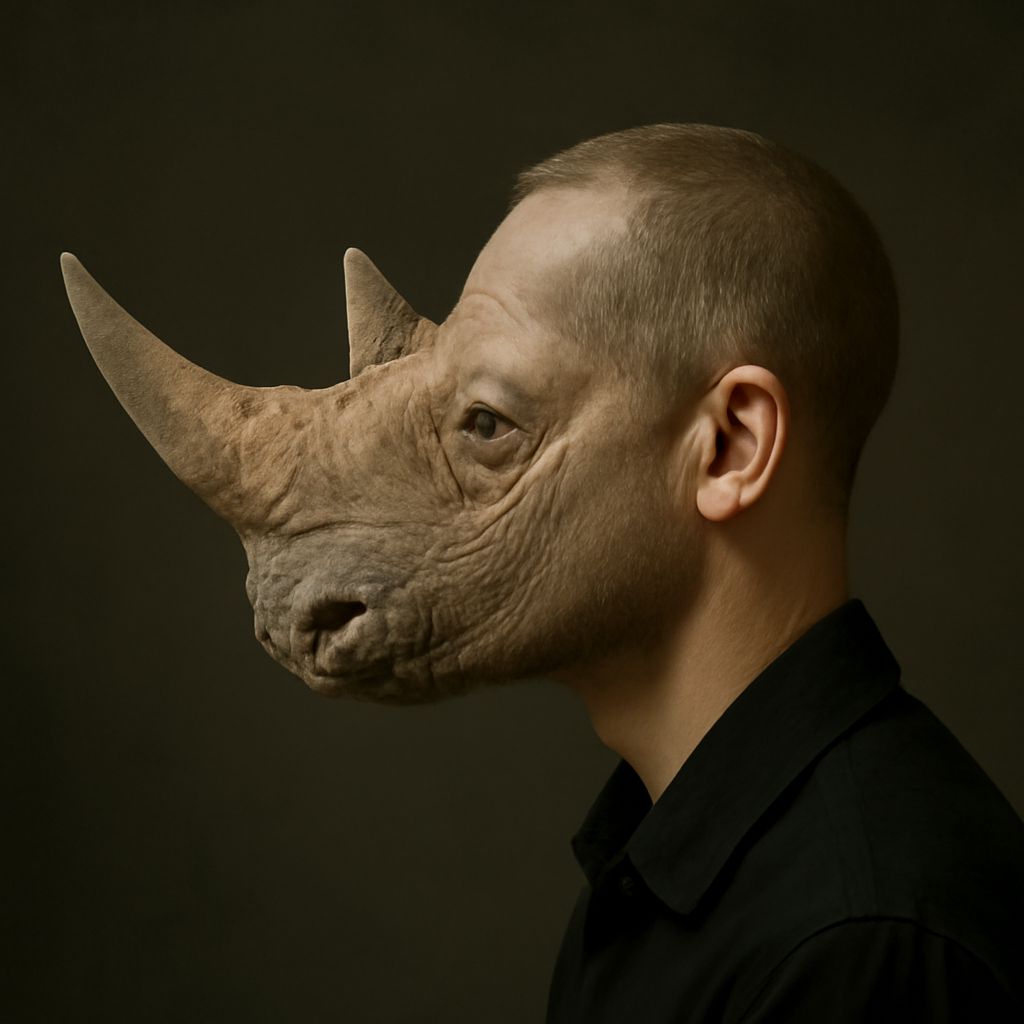
Eugene Ionesco’s “Rhinoceros” stands as a seminal work in the realm of absurdist theatre, exploring deep themes through innovative techniques. This play, often hailed for its unique approach and profound messages, continues to captivate audiences and performers alike. Understanding the themes and techniques used by Ionesco can significantly enhance performance craft, especially in monologues and auditions.
Overview of Ionesco’s Rhinoceros
“Rhinoceros” by Eugene Ionesco is a play that emerged from the Theatre of the Absurd, a movement characterized by its focus on the illogical and irrational aspects of human existence. The play depicts the inhabitants of a small town who inexplicably transform into rhinoceroses, serving as a powerful metaphor for conformity and the loss of individuality. Ionesco’s work reflects his keen observations on societal dynamics and the dangers of totalitarian mindsets.
Key themes in Rhinoceros
The central theme of “Rhinoceros” is the struggle between individuality and conformity. Ionesco illustrates how societal pressures can lead individuals to abandon their personal beliefs and identities. The transformation of townspeople into rhinoceroses symbolizes the ease with which people can succumb to collective ideology. Another significant theme is the absurdity of existence, highlighting the unpredictable and often nonsensical nature of human life. Through these themes, Ionesco questions the essence of humanity and the choices individuals make under social pressure.
Techniques used by Eugene Ionesco
Ionesco employs various dramatic techniques to convey his themes effectively. One notable method is the use of absurdity, which he integrates into both dialogue and action to emphasize the irrationality of the characters’ transformations. Ionesco also utilizes repetition and circular dialogue to stress the monotony and futility of the characters’ attempts to rationalize their situation. Furthermore, Ionesco’s minimalist stage settings and exaggerated characterizations underscore the play’s surreal atmosphere, allowing audiences to focus on the thematic content rather than the realism of the setting.
Applying Rhinoceros to monologues and auditions
For actors preparing monologues and auditions, “Rhinoceros” offers rich material that showcases a range of emotions and existential dilemmas. When selecting a monologue from the play, consider focusing on moments that highlight a character’s internal conflict or transformation. This allows actors to explore complex emotional landscapes and demonstrate their ability to convey profound themes through nuanced performances. Understanding Ionesco’s use of absurdity and repetition can also aid actors in delivering lines with the intended emphasis and rhythm, enhancing the impact of their audition pieces.