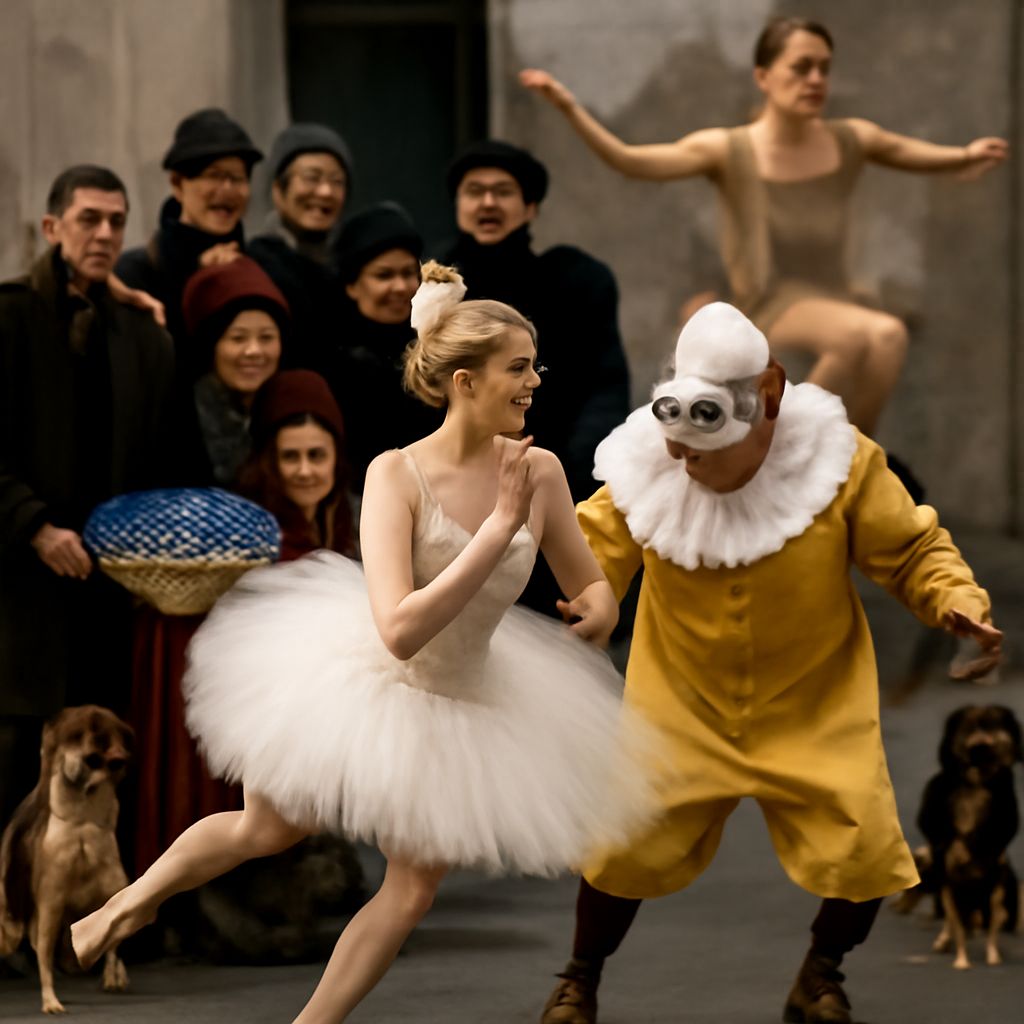
Burlesque shows have long captivated audiences with their blend of theatrical performance, humor, and sensuality. This unique art form combines elements of music, dance, and satire, offering a vibrant and entertaining experience. The rich history of burlesque is intertwined with its evolution, revealing how it has adapted and thrived over the years. From its historical roots to modern interpretations, burlesque remains a dynamic expression of creativity and empowerment.
Introduction to burlesque shows
Burlesque shows are performances that traditionally contain a mix of satire, music, and parody. These shows often incorporate striptease acts, but the focus remains on theatricality and humor. Burlesque performers, or “burlesquers,” engage audiences with their charisma and storytelling, using elaborate costumes, witty dialogue, and choreographed routines.
The historical roots of burlesque
The history of burlesque traces back to the 17th century, with its origins in European theater. It was initially a form of entertainment that used humor and exaggeration to parody serious works of art, literature, and theater. In the 19th century, burlesque gained popularity in the United States, evolving into a distinct style that combined elements of vaudeville, minstrel shows, and cabaret. The American iteration of burlesque often featured a variety of acts, including comedy sketches, musical performances, and stripteases, all designed to entertain and surprise audiences.
Evolution of burlesque performances
Classic burlesque elements
Classic burlesque is characterized by its extravagant costumes, elaborate sets, and a focus on performance art. Traditional elements include the striptease, where performers would strategically remove clothing to reveal intricate costumes beneath. Humor and satire remained central to these performances, with acts often including comedic skits or parodies of popular culture and politics.
Modern burlesque trends
In recent decades, burlesque has experienced a revival, with contemporary performers adopting and adapting the classic form. Modern burlesque retains the essence of traditional acts but often incorporates a wider range of influences from pop culture, music genres, and performance art. Today’s burlesque shows can include elements of circus performance, drag, and even performance art, pushing the boundaries of the original form. This evolution has allowed burlesque to remain relevant and appealing to diverse audiences, celebrating individuality and body positivity.
The art of burlesque monologues
Burlesque monologues are an essential part of many performances, offering performers the opportunity to connect with their audience through storytelling and humor. These monologues can range from comedic to poignant, allowing performers to express personal experiences and perspectives. By using wit and satire, burlesque monologues often address social issues, challenge stereotypes, and celebrate diversity. This element of burlesque highlights the art form’s ability to engage audiences on multiple levels, blending entertainment with thought-provoking commentary.