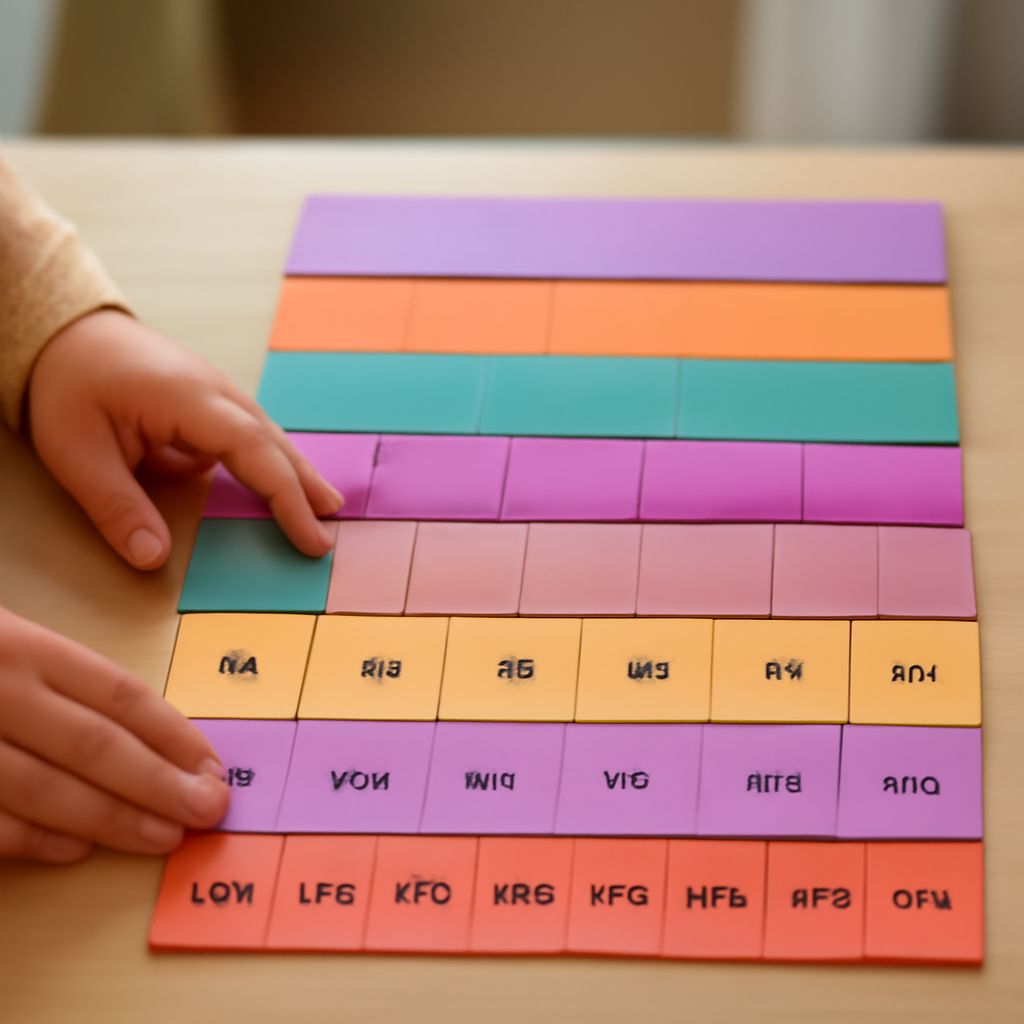
Understanding fractions can be challenging, but tools like fraction strips and fraction bar charts simplify the learning process. These visual aids help students grasp the concept of fractions by providing a tangible representation. This article will explore what fraction strips and fraction bar charts are, how to use them effectively, and compare their uses.
What are fraction strips?
Fraction strips are rectangular pieces, often made of paper or plastic, that represent fractions visually. Each strip is divided into equal parts, demonstrating how fractions are parts of a whole. For example, a strip divided into four sections can represent quarters, while one divided into eight can display eighths. Fraction strips can be arranged and compared to show relationships between different fractions, making them an excellent educational tool.
How to use fraction strips effectively
Using fraction strips is simple and effective in teaching fractions. To begin, select the fraction strips that are needed for a particular exercise. Arrange them to show how different fractions relate to each other. For instance, place halves, fourths, and eighths side by side to observe how they compare. This visual arrangement helps learners see that two-fourths are equivalent to one-half. Additionally, fraction strips can demonstrate addition and subtraction of fractions by combining or removing parts of the strips. By physically manipulating the strips, students can better understand fractional operations and concepts.
Introduction to fraction bar charts
Fraction bar charts are another tool used to illustrate fractions. Unlike fraction strips, which are individual pieces, fraction bar charts are graphs that depict fractions through bars of varying lengths. Each bar represents a fraction of a whole, and the length of the bar corresponds to the fraction’s size. This method allows for a clear comparison of different fractions on a single chart. Fraction bar charts are beneficial in understanding how fractions relate in size, as the visual representation provides an immediate sense of scale.
Comparing fraction strips and bar charts
Both fraction strips and fraction bar charts serve the purpose of teaching fractions visually, but they do so in different ways. Fraction strips offer a more hands-on approach, allowing students to physically manipulate pieces to learn about fraction equivalence, addition, and subtraction. This tactile interaction can be particularly helpful for younger learners or those who benefit from kinesthetic learning styles.
On the other hand, fraction bar charts provide a comprehensive visual comparison on a single graph. This can be useful for older students or in situations where a quick visual comparison is needed. Fraction bar charts often work well in conjunction with other data or when more complex fractional comparisons are necessary.
In summary, both tools have unique advantages. Fraction strips are ideal for interactive learning and practical demonstrations, while fraction bar charts offer a straightforward visual representation of fractions. Educators can choose the tool best suited to their teaching objectives and the needs of their students.