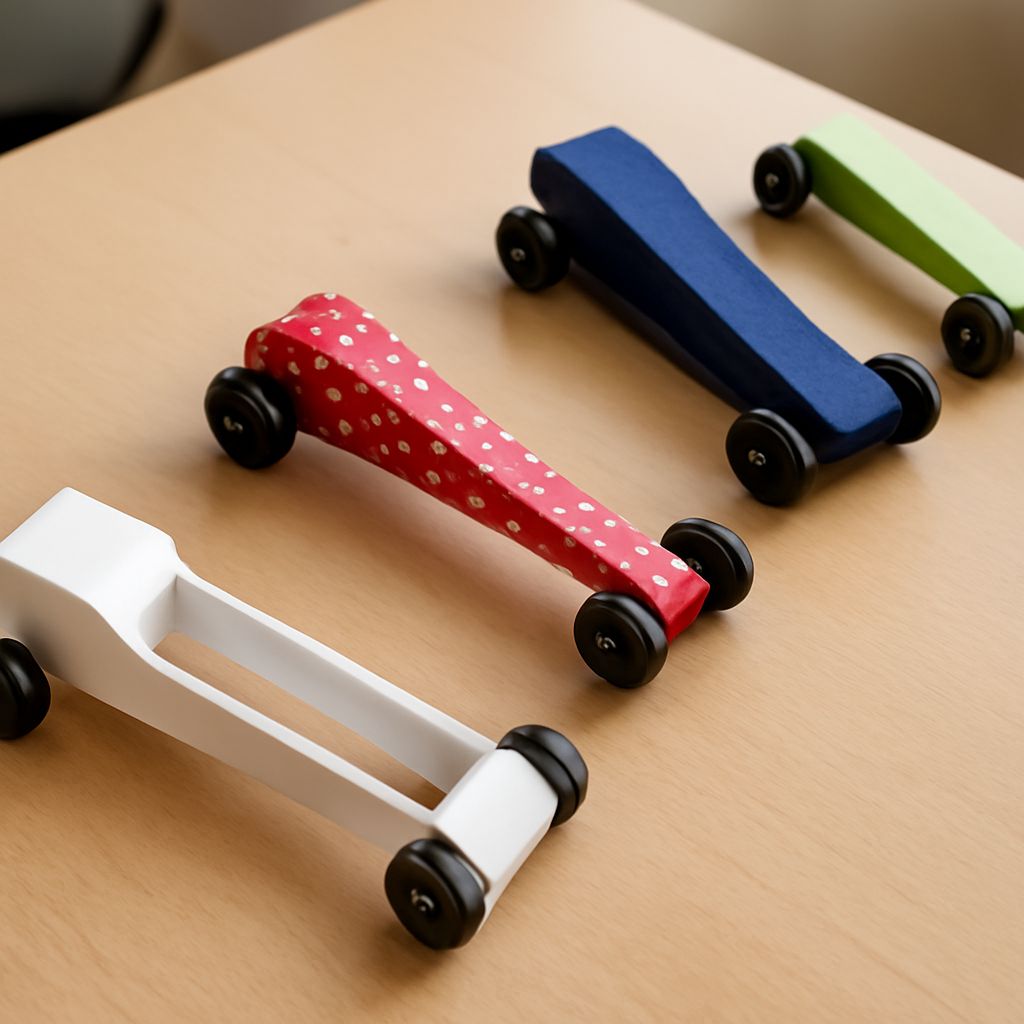
CO2 dragsters are small, aerodynamic cars powered by carbon dioxide cartridges. These miniature vehicles are a popular educational tool and hobby, providing a hands-on experience with physics, engineering, and design principles. Building and racing CO2 dragster cars involves understanding their design, assembling the components, and applying techniques to enhance their speed and performance on the track.
Understanding CO2 dragsters
CO2 dragsters are propelled by the rapid release of carbon dioxide gas from a pressurized cartridge. This gas expels from the rear of the car, creating thrust that propels the dragster forward. The key components of a CO2 dragster include the body, wheels, axles, and the CO2 cartridge. The body is typically made of lightweight materials such as balsa wood or plastic to minimize drag and maximize speed. The design of the dragster aims to reduce air resistance and optimize weight distribution for improved performance.
Designing your CO2 dragster car
Designing a CO2 dragster involves considering factors such as aerodynamics, weight, and stability. The shape of the dragster’s body should be sleek and streamlined to reduce air resistance. A pointed nose and a gradual taper towards the rear can help achieve this. Balancing the weight distribution is crucial; placing more weight towards the front can help maintain stability during the race.
The materials chosen for the dragster also play a significant role. Lightweight materials ensure the dragster can reach higher speeds. Some builders use balsa wood due to its light weight and ease of shaping. Additionally, ensuring the axles and wheels are aligned properly will minimize friction and improve speed.
Building the CO2 dragster
The construction process begins with cutting and shaping the body of the dragster. Precision is key to achieving the desired aerodynamic design. After shaping the body, drill holes for the axles to ensure they are straight and aligned. Secure the wheels onto the axles, ensuring they spin freely to reduce friction.
Next, prepare the housing for the CO2 cartridge. This typically involves drilling a hole at the rear of the dragster body where the cartridge will be inserted. Ensure the cartridge fits snugly and securely to prevent any loss of thrust during the race. The final assembly involves checking all components, ensuring they are securely attached and functioning as intended.
Tips for racing your CO2 dragster
To maximize the performance of your CO2 dragster car on race day, consider a few strategic tips. Firstly, ensure all components are in optimal condition. Double-check that the wheels spin freely and the axles are straight. Any deviations can slow down the dragster.
Adjust the dragster’s weight distribution if necessary. A front-heavy dragster tends to be more stable, while a rear-heavy one might wobble. Experiment with small weight adjustments to find the best configuration for your specific track conditions.
Finally, practice launching your dragster. The release mechanism should be smooth and efficient to ensure the dragster accelerates quickly off the starting line. Familiarize yourself with the timing and pressure needed to activate the CO2 cartridge efficiently.
By understanding the principles of CO2 dragster design and construction, you can build a car that performs well on the track. With careful design, precise assembly, and strategic racing techniques, your CO2 dragster car can achieve impressive speeds and demonstrate the fascinating interaction of physics and engineering in action.