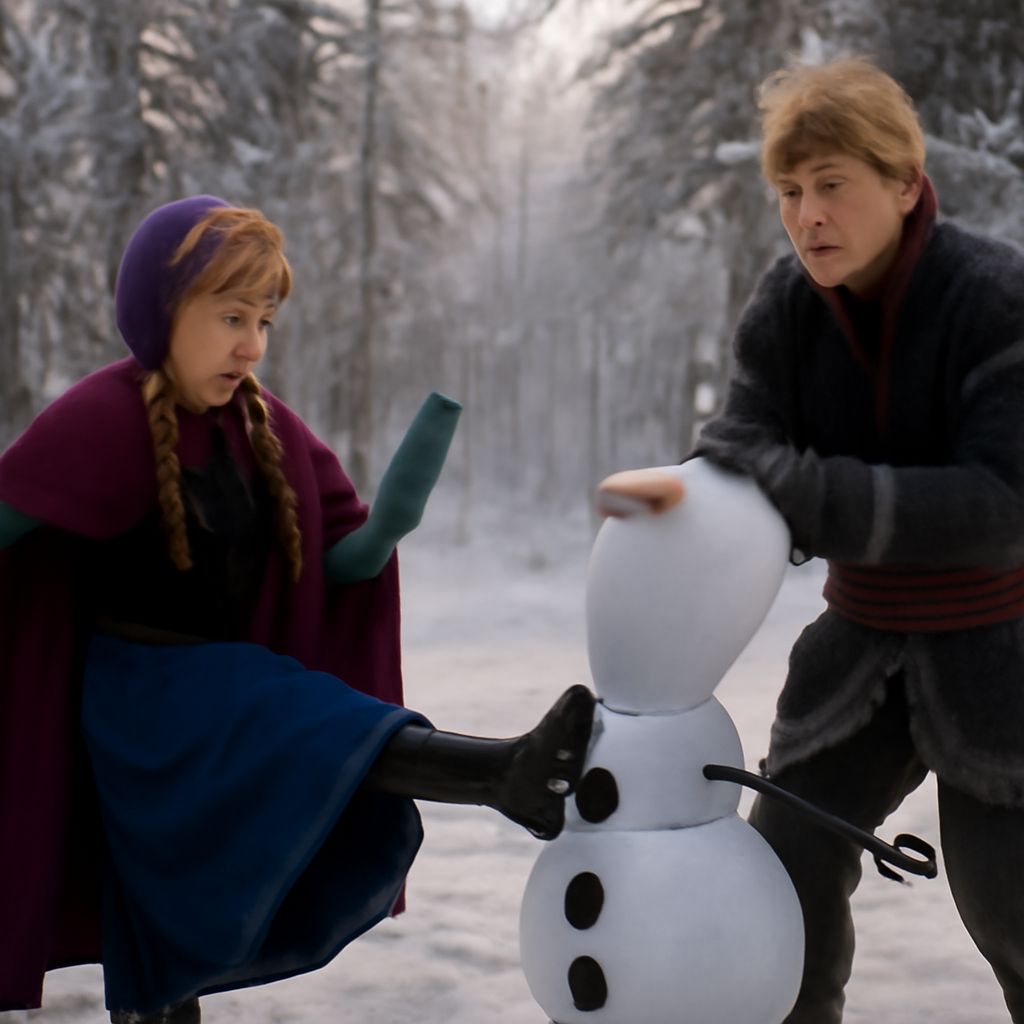
Anthropomorphism and personification are literary devices often used to make stories more engaging and relatable. Though they may seem similar, they have distinct characteristics and applications. This article explores the difference between anthropomorphism and personification, providing clarity through definitions and examples.
What is anthropomorphism?
Anthropomorphism involves attributing human traits, emotions, or intentions to non-human entities. This can include animals, deities, or even objects. By giving human characteristics to these entities, creators can make them appear more relatable and engaging. A classic example of anthropomorphism is found in Aesop’s Fables, where animals exhibit human-like behavior and speech.
What is personification?
Personification, on the other hand, is the literary technique of giving human qualities to inanimate objects, ideas, or natural forces. It is often used to convey imagery or emotional depth in writing. For example, describing a storm as “angry” or referring to time as “flying” are instances of personification. This device helps readers connect with abstract concepts in a more tangible way.
Key differences between anthropomorphism and personification
The primary difference between anthropomorphism and personification lies in their application and scope. Anthropomorphism is used predominantly to create characters with full-fledged human-like identities in storytelling, such as talking animals in animated films. Personification is more about attributing human traits to convey emotion or imagery, without creating a fully developed character.
Another key distinction is that anthropomorphism often involves animals or deities acting as humans, while personification is applied to objects or abstract concepts. The goals of these devices also differ: anthropomorphism aims to develop characters and narratives, while personification enhances descriptive language and imagery.
Examples in literature and storytelling
Anthropomorphism is prevalent in children’s literature and animated films. Characters like Winnie the Pooh and Simba from “The Lion King” are animals displaying human emotions and behavior, making them accessible and engaging to audiences of all ages.
Personification is commonly used in poetry and prose to evoke imagery. For instance, in Shakespeare’s “Sonnet 18,” summer is personified as having a “lease” that can end. This technique helps convey the temporary nature of beauty and life.
Both anthropomorphism and personification enrich storytelling by connecting audiences to stories and concepts on a human level, but they do so in uniquely different ways. Understanding these differences enhances comprehension and appreciation of literature and art.