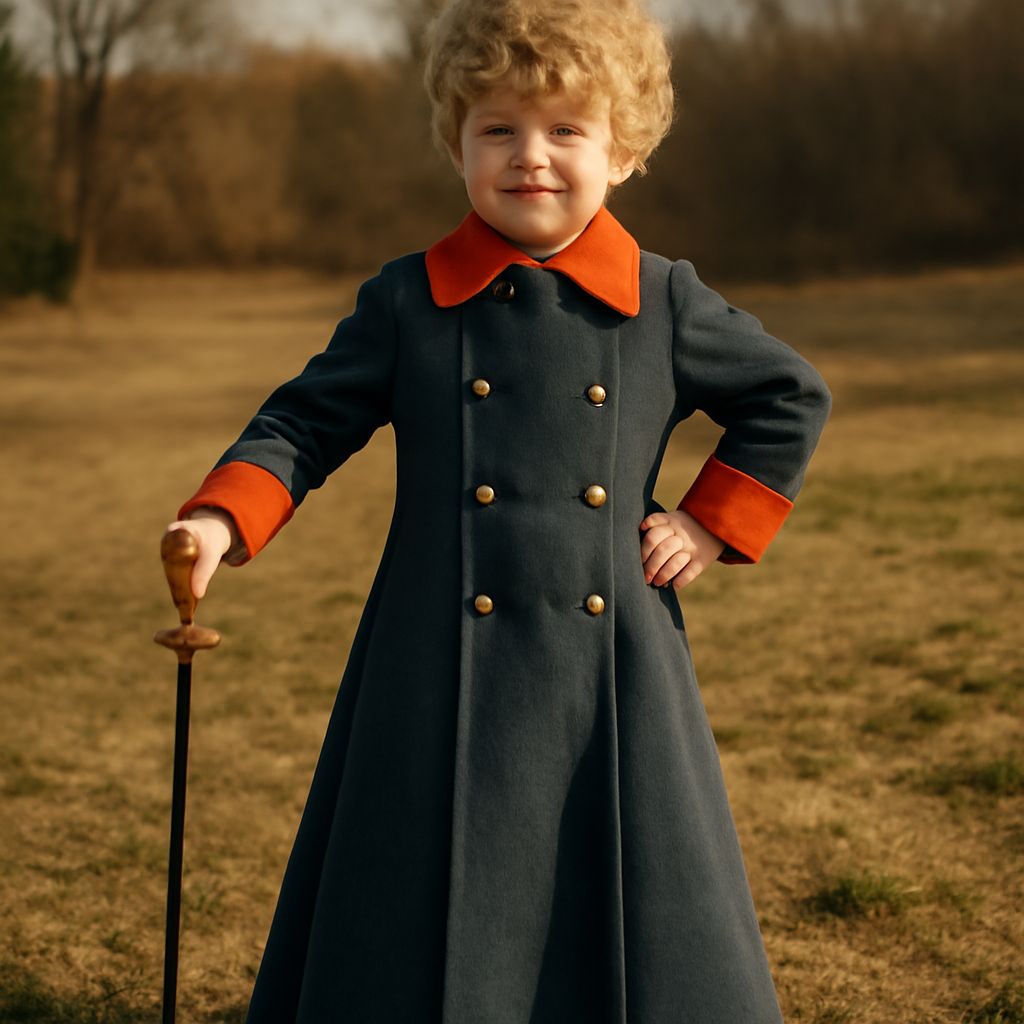
You have a scene to read and need to know what the story of the little prince is about. Antoine de Saint-Exupéry’s book follows a child from a tiny planet and a stranded pilot who become friends. It is about caring for someone, learning to see beyond appearances, and living with loss.
This summary of The Little Prince book includes the ending. It will also help you find a voice for the boy’s curiosity and the pilot’s growing affection. The Little Prince study guide offers a fuller account of the journey (accessed November 19, 2026).
The Little Prince Book Summary: A Meeting in the Desert
A pilot crashes in the Sahara and must repair his plane. A small boy appears and asks him to draw a sheep. The request is absurdly calm for a place with little water and a broken airplane. Yet the pilot draws, and a friendship begins.
The boy gradually tells him about his home, a tiny asteroid where he tended a rose. She was proud and demanding, and he took her words to heart. He left, later realizing that he had failed to understand the affection beneath her difficult manner. His travels take him to several small planets, each occupied by an adult absorbed in a narrow concern: ruling, being admired, counting possessions, or following orders.
On Earth, the prince finds a garden of roses and feels that his own flower is less special than he believed. Then a fox asks to be tamed. Through patient visits, the two form a bond. The prince learns that the time he spent caring for his rose makes their relationship unique, and that a bond brings responsibility.
What the journey asks us to notice
What is The Little Prince about beyond its strange planets? It asks how people decide what matters. The adult visitors measure value through power, praise, or numbers. The child keeps asking why. His questions expose the limits of those habits, though the prince himself also has something to learn: love requires attention to another person, even when that person is difficult.
A little prince summary can list a king, a businessman, and a lamplighter. For a performance, give each encounter a separate objective. The king wants a subject. The businessman wants to count and possess. The lamplighter keeps obeying a task whose pace has become impossible. Let the prince listen closely to each answer, then ask his next question as if he truly wants to understand it.
That approach keeps the adults from becoming a row of identical jokes. The prince can be puzzled or impatient, but he need not sound superior. His own understanding changes as well, especially when he thinks about the rose he left behind.
Voice the rose, the fox, and the bond
In The Little Prince book summary, the rose and fox help explain the child’s change of heart. Give the rose pride and vulnerability at once. She makes demands, but she is also exposed to the weather and depends on the prince’s care. A precise, composed delivery with a brief hesitation can suggest both sides.
For the fox, choose a patient pace. Leave space between requests as the animal explains how familiarity grows through repeated visits. The fox is asking for a relationship, so direct the words toward the prince rather than delivering them as a lesson to the audience. Let the boy’s replies become more attentive as he grasps what the fox means.
The meaning of the prince’s story also reaches the pilot. At first, the narrator is occupied with a repair and survival. The boy’s questions and their search for water draw his attention toward companionship. Read an early practical line with a brisk pace, then try a later exchange with a longer pause to listen. The change should sound earned.
Read the ending through the pilot’s loss
The prince wants to return to his rose and allows a snake to bite him. He falls, and his body is gone by morning. He has described the departure as a return home; the narrator cannot prove what happened. His grief remains alongside his hope that the boy has reached his planet.
The book’s story of the little prince leaves the pilot looking at the stars and wondering about his friend and the rose. In rehearsal, avoid deciding the mystery for the listener. Let the pilot hold both possibilities in his voice.
For his reaction to the disappearance, begin with a breath that catches, then speak the next thought softly, as though he is trying to believe his friend is still somewhere among the stars.