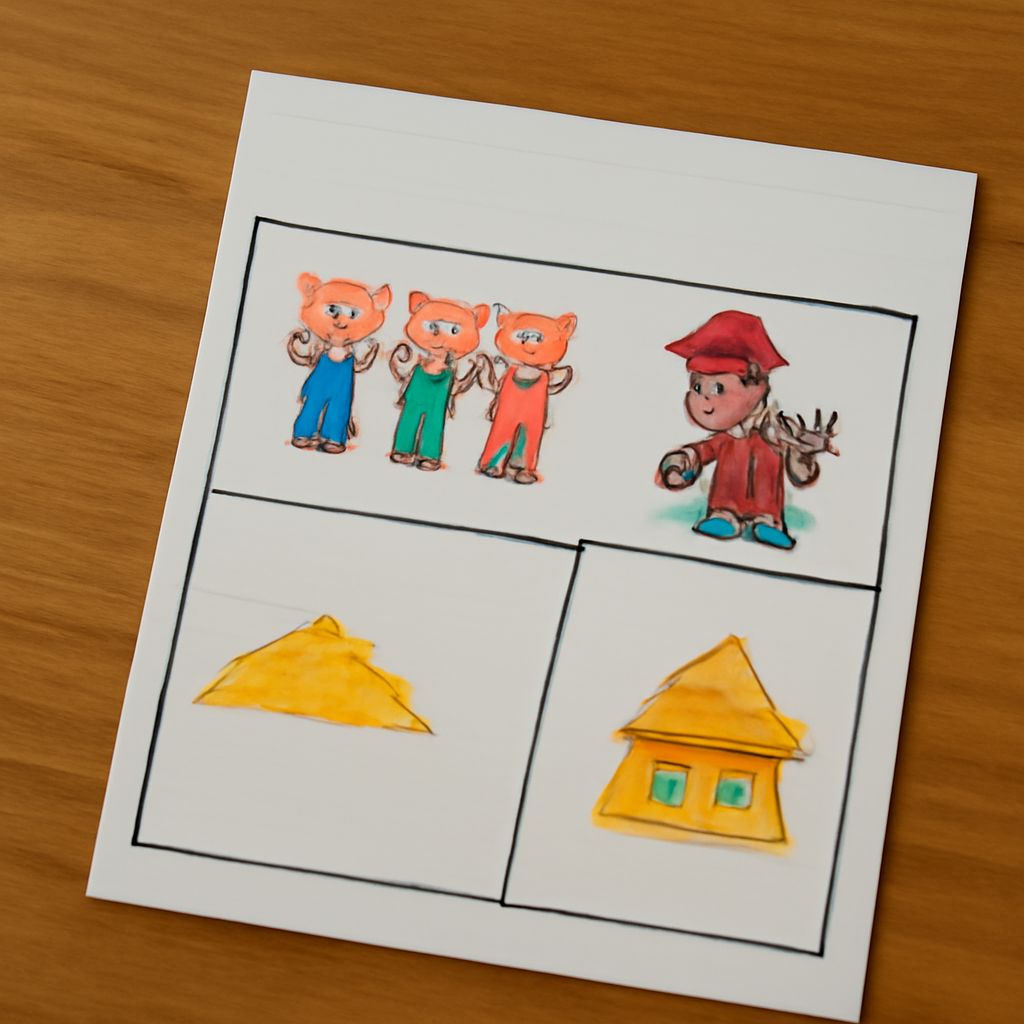
Understanding the elements of a story is essential for writers aiming to craft compelling narratives. Every well-told story, particularly short stories, relies on a foundational structure. In this article, we will explore the 7 elements of a short story that every writer should master to create engaging tales.
Introduction to story elements
Story elements are the building blocks that give a narrative its shape and substance. These components ensure that a story is coherent and resonates with its audience. By mastering these key elements, writers can craft stories that capture the reader’s imagination and emotion.
The 7 elements of a short story
- Character: Characters drive the story. They are the individuals, human or otherwise, who perform the actions and engage the reader. Well-developed characters are relatable and have depth, featuring a mix of traits, motivations, and growth.
- Setting: The setting provides the backdrop for the story’s events. It includes the time and place where the story occurs and contributes to the mood and atmosphere, influencing how characters interact with their environment.
- Plot: The plot is the sequence of events that make up the story. It usually includes an introduction, rising action, climax, falling action, and resolution, forming a coherent and satisfying narrative arc.
- Conflict: Conflict is the central challenge or problem that drives the narrative forward. It can be internal (within a character) or external (between characters or between a character and their environment).
- Theme: The theme represents the underlying message or main idea of the story. It is what the story says about life, society, or human nature, often providing deeper meaning beyond the surface plot.
- Point of View: The point of view determines from whose perspective the story is told. It can be first-person, second-person, or third-person, each offering a different depth of insight into characters and events.
- Style: Style encompasses the author’s choice of language, tone, and literary devices. It affects how the story is perceived and can enhance the emotional and aesthetic experience for the reader.
How these elements interact
These elements of a story interact dynamically to create a cohesive narrative. The setting can influence the plot and characters’ actions, while the conflict often reveals the theme and develops the characters. The choice of point of view and style can shape the reader’s understanding of the theme and the emotional impact of the story. A well-crafted short story integrates these elements seamlessly, ensuring each component complements the others, resulting in a powerful and memorable narrative.