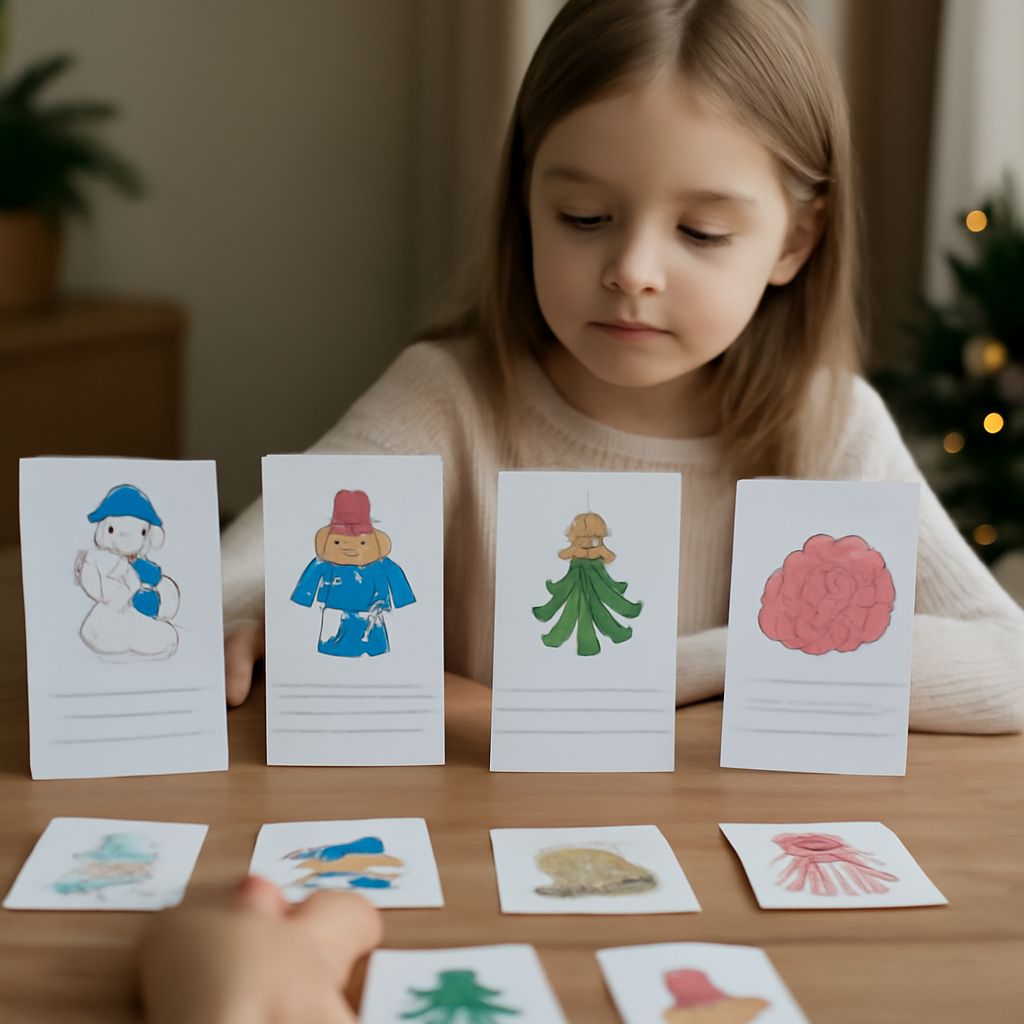
Winter brings a unique atmosphere that can transform any narrative into a vivid experience. The chill of the air, the sparkle of snow, and the cozy warmth of a fire are all elements that can be captured through language. This article will guide you on how to enrich your storytelling with a carefully curated list of winter words. Whether you’re crafting a novel, screenplay, or short story, these words will help evoke the magic of the winter season.
The magic of winter words
Winter words have the power to transport readers into a frosty wonderland. They conjure images of snow-capped mountains, frozen lakes, and holiday festivities. For example, terms like “glacial,” “frostbite,” and “icicle” not only describe the physical state of winter but also its emotional impact. “Glacial” can suggest a slow pace or a cold demeanor, while “frostbite” might evoke a sense of peril and adventure. “Icicle” adds a touch of sparkle and fragility. These words tap into the sensory experience of the season, making your narrative vivid and engaging.
Creating your winter words list
To create a comprehensive winter words list, start by brainstorming words that immediately come to mind when you think of winter. Include nouns like “snowflake,” “sleigh,” and “blizzard.” Add adjectives such as “frigid,” “crystalline,” and “frosty” that paint a clear picture of the season. Don’t forget verbs like “shiver,” “chill,” and “sledge” that bring action to your descriptions.
- Snowflake: Represents uniqueness and delicacy.
- Sleigh: Evokes imagery of travel and adventure.
- Blizzard: Conveys intensity and power.
- Frigid: Describes extreme cold and discomfort.
- Crystalline: Captures the clarity and beauty of ice.
Review your list and refine it by considering the mood you want to convey. Use these words to build scenes that are immersive and emotionally resonant. The right choice of words can set the tone and pace of your story, guiding readers through the winter landscape you’ve created.
Using winter words in storytelling
Integrating winter words into your storytelling requires more than just a list. It’s about weaving these words seamlessly into your narrative. When writing a scene, consider the sensory details first—what would your characters see, hear, and feel? Use winter words to enhance these descriptions. For instance, instead of saying “it was cold,” you might write, “the frigid wind nipped at their cheeks as they trudged through the snow-covered streets.”
Additionally, winter words can reflect a character’s internal state. A protagonist feeling isolated might be described as “trapped in a glacial world,” while a joyful reunion could unfold “amidst a flurry of snowflakes.” These metaphors enrich character development and deepen emotional connections.
By thoughtfully incorporating a diverse range of winter words, writers can elevate their stories, creating an atmosphere that captivates and resonates with readers. Explore the richness of winter language and let it inspire your next creative project.