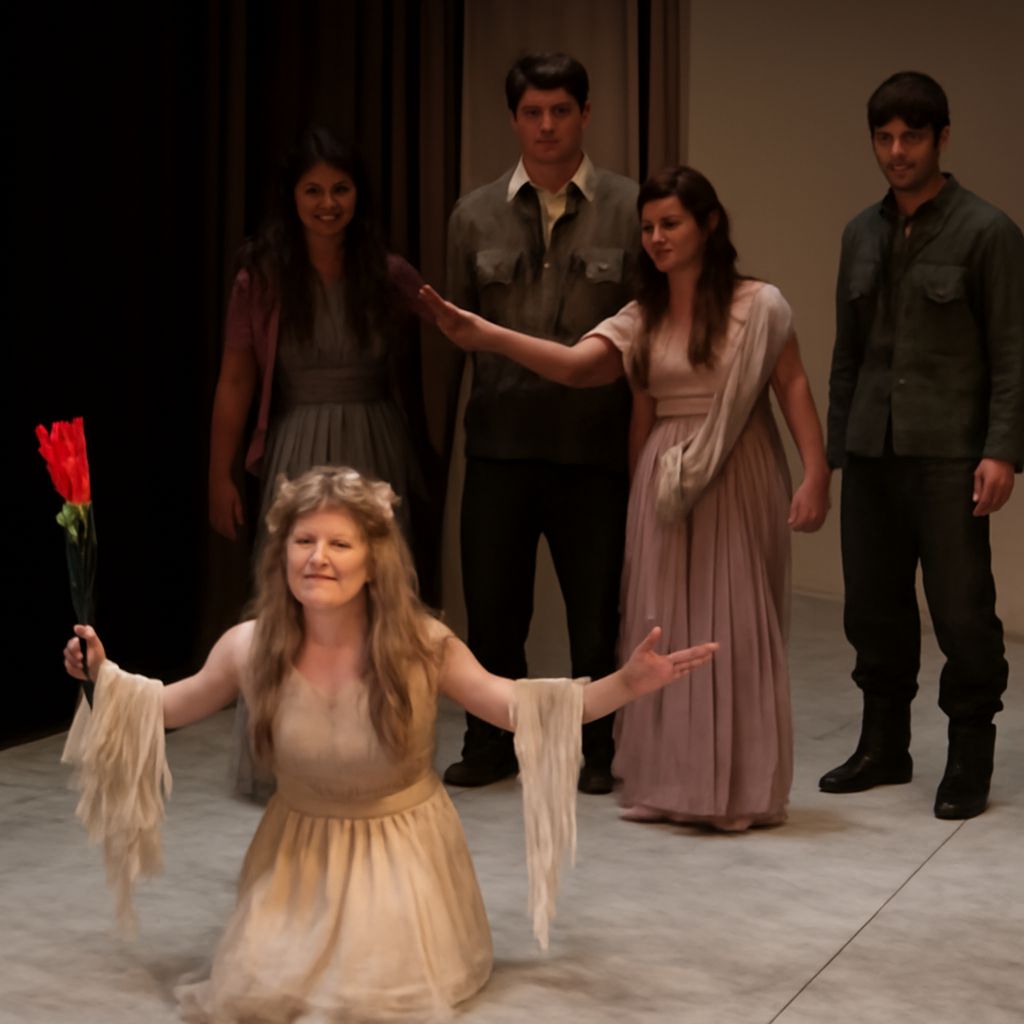
‘The Trojan Women’ is a timeless play by Euripides that delves into the aftermath of the Trojan War, focusing on the plight of the women left behind. This play offers profound monologues ideal for auditions, allowing actors to explore deep emotional landscapes and rich character complexities.
Understanding ‘The Trojan Women’ play
Written in 415 BCE, ‘The Trojan Women’ by Euripides is a tragedy that depicts the consequences of war, particularly from the perspective of women. The narrative takes place after the fall of Troy, centering around Queen Hecuba, Cassandra, Andromache, and Helen. Each character grapples with their fate as captives of the victorious Greeks. The play is a powerful critique of war and its impact on the innocent, making it relevant even today. Its themes of loss, suffering, and resilience resonate with audiences, offering a poignant reflection on human suffering.
Key monologues for auditions
‘The Trojan Women’ provides several emotionally charged monologues that are perfect for auditions. One of the most compelling is Queen Hecuba’s lament. In this monologue, Hecuba mourns the destruction of Troy and the loss of her family. Her words convey despair and grief, offering actors an opportunity to showcase their ability to portray deep emotional pain.
Cassandra’s monologue is another powerful piece. As a prophetess cursed never to be believed, her speech is filled with irony and madness. This monologue allows actors to explore complexity, as Cassandra’s foreknowledge of doom contrasts with her perceived insanity.
Andromache’s speech is equally moving. She reflects on her son Astyanax’s fate and her own as a war prize. Her monologue reveals a mix of vulnerability and strength, challenging performers to embody a character torn by maternal love and sorrow.
Character analysis and themes
Each character in ‘The Trojan Women’ play offers a distinct perspective on the themes of war and suffering. Hecuba represents the enduring spirit of Troy. Despite her losses, she remains a figure of dignity and resilience. Her character embodies the theme of suffering with nobility, offering a poignant critique of war’s injustice.
Cassandra’s character highlights the theme of unheeded prophecy and the tragic fate of those who see the truth yet remain unheard. Her madness and foresight make her a compelling figure that challenges perceptions of sanity and truth.
Andromache illustrates the personal impact of war. Her character embodies the dual role of victim and survivor, portraying the struggle between hope and despair. Her interactions highlight the human cost of conflict, examining themes of family, loss, and resilience.
Overall, ‘The Trojan Women’ is rich with themes of suffering, resilience, and the futility of war. It provides actors with profound material that challenges them to explore complex emotional and psychological landscapes. For auditions, the monologues from this play are not only historically significant but also offer timeless reflections on human endurance and the tragic consequences of war.