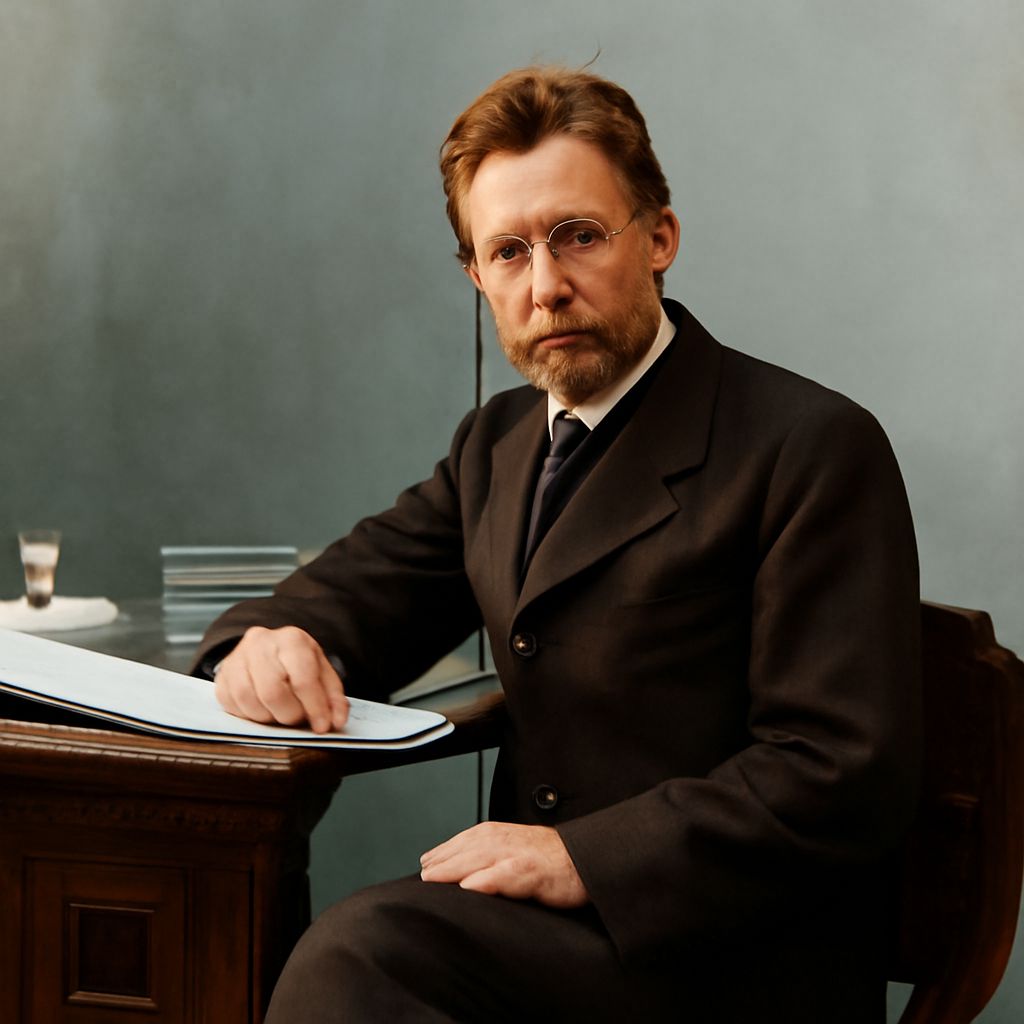
Anton Chekhov, a legendary figure in the world of theatre, has left a lasting impression through his remarkable plays. Known for their deep psychological insight and subtle humor, Chekhov plays are a cornerstone for anyone interested in exploring the complexities of human nature. From the profound emotional depth to the intricate social commentary, Anton Chekhov plays continue to captivate audiences and influence modern theatre.
Understanding Chekhov’s impact on theatre
Chekhov’s impact on theatre is significant and multifaceted. His works transitioned away from traditional melodramatic tropes, focusing instead on character-driven narratives and realistic portrayals of life. Through his plays, Chekhov challenged the norms and opened the door to the development of modern realism in theatre. His style emphasized subtlety and nuance, which paved the way for future playwrights and directors to explore deeper emotional and psychological layers in their own works.
Key themes in Chekhov’s plays
Chekhov’s plays often explore themes such as longing, disillusionment, and the passage of time. Characters in his plays grapple with unfulfilled desires and existential dilemmas, reflecting the human condition’s inherent complexity. For instance, the theme of unrequited love and missed opportunities is prevalent in many of his works, highlighting the internal struggles and societal constraints faced by individuals. Additionally, Chekhov delves into the theme of change and the inevitability of transformation, capturing the essence of life’s transient nature.
Notable plays by Anton Chekhov
Among Chekhov’s most celebrated plays are “The Cherry Orchard,” “The Seagull,” “Three Sisters,” and “Uncle Vanya.” “The Cherry Orchard” is renowned for its poignant exploration of societal change and personal loss, while “The Seagull” addresses the conflicts between art and life. “Three Sisters” delves into the theme of longing for a better future, and “Uncle Vanya” portrays the disillusionment with unfulfilled ambitions. Each of these plays showcases Chekhov’s unique ability to intertwine humor with pathos, creating narratives that resonate with audiences worldwide.
Using Chekhov’s plays for auditions
Chekhov’s plays offer rich material for auditions, providing actors with the opportunity to showcase their range and emotional depth. The complex characters and layered dialogues present in his works are excellent for demonstrating an actor’s interpretive skills. When choosing a monologue or scene from Chekhov for auditions, actors should focus on capturing the subtleties of the character’s internal conflict and the emotional subtext that drives the narrative. Chekhov’s nuanced writing allows performers to explore various emotional facets and deliver compelling performances that highlight their versatility.