High frequency words play a crucial role in helping first graders become confident, fluent readers. These are words that appear most often in children’s books and early reading materials, making them essential for students to recognize quickly. Mastering first grade high frequency words allows young learners to read more smoothly, understand stories, and build foundational literacy skills that support all future learning.
What are high frequency words for 1st grade?
High frequency words for 1st grade are the most common words that students encounter in early reading books and classroom activities. These words often do not follow standard phonetic rules, which means that children cannot always sound them out using basic decoding skills. Instead, these words are usually learned by sight, allowing students to recognize them instantly without hesitation.
Early reading experts often refer to these as “sight words,” but they are better described as high frequency words because of how often they appear in texts. Examples include “the,” “said,” “was,” “where,” and “come.” Recognizing these words quickly is essential because they often carry important meaning and structure within sentences, helping young readers focus their decoding strategies on less familiar vocabulary.
First grade high frequency words are typically chosen from research-based lists such as Dolch Sight Words and Fry’s Instant Words. Teachers may also adapt the 1st grade word list based on curriculum, student needs, and classroom texts.
First grade high frequency words: Complete word list
The most widely used 1st grade word list includes words from trusted educational sources. The following are some of the most important high frequency words 1st grade students should learn:
- after
- again
- an
- any
- ask
- by
- could
- every
- fly
- from
- give
- going
- had
- has
- her
- him
- how
- just
- know
- let
- live
- may
- of
- old
- once
- open
- over
- put
- round
- some
- stop
- take
- thank
- them
- then
- think
- walk
- warm
- when
- where
- wish
- would
This sample covers a core set of first grade high frequency words. Many schools also include the complete Dolch or Fry list for first grade, which contains approximately 40 to 50 words. Providing a printable or visible word list in the classroom helps students practice and reference these words daily.
Why are high frequency words important for first graders?
Learning high frequency words in first grade boosts reading confidence and comprehension. Since these words make up a large portion of text in beginner books, instant recognition allows children to read more fluidly instead of pausing to decode every word.
When students know their 1st grade word list, they spend less mental energy on familiar words and more on understanding the story. This shift builds reading stamina and fosters a love of books. High frequency words also support spelling, as students see and use them repeatedly in writing.
For struggling readers, mastering high frequency words can close achievement gaps and enable participation in class reading activities. By the end of first grade, most students should recognize these words on sight to be prepared for more complex texts in second grade and beyond.
Effective ways to teach 1st grade word list
Successful teaching of first grade high frequency words blends repetition, engagement, and multi-sensory activities. Teachers and families can use strategies like:
- Word wall displays: Post high frequency words 1st grade students need to learn at eye level so they see and use them regularly.
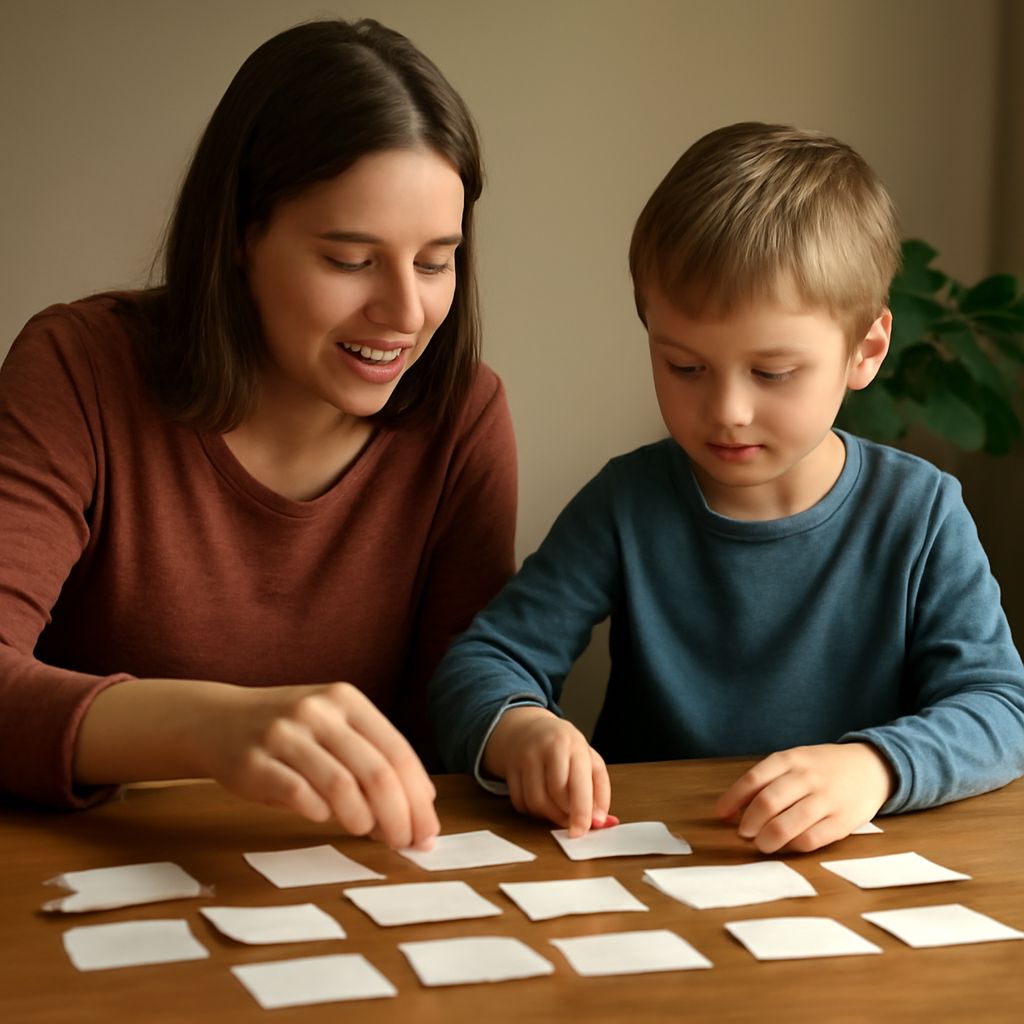
- Flashcards and games: Use flashcards for quick practice or play games like “Memory,” “Bingo,” or scavenger hunts using word cards.
- Word hunts: Ask students to find high frequency words in books, classroom labels, or around the home and read them aloud.
- Writing practice: Encourage students to write sentences or short stories using as many words from the 1st grade word list as possible.
- Multi-sensory techniques: Let students form words using magnetic letters, trace letters in sand, or write with their finger on textured surfaces to reinforce visual memory.
Rotate activities to keep practice fresh and fun. Consistent exposure and use of first grade high frequency words in both reading and writing are key to long-term mastery.