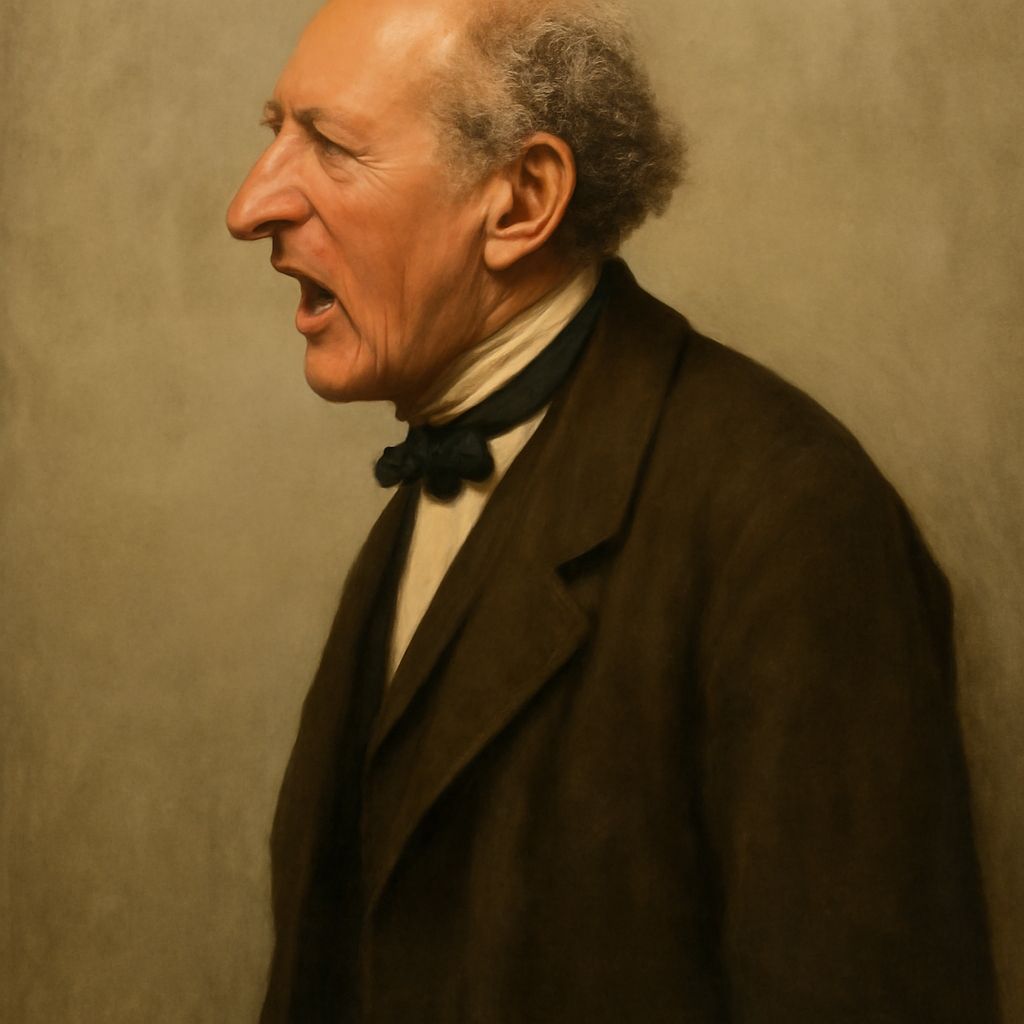
Classical education is a structured, time-honored system that blends the best of Western thought, literature, and rhetoric into a comprehensive framework for learning. Rooted in ancient Greek and Roman traditions, this approach focuses on cultivating wisdom, virtue, and eloquence through a progression of learning stages. Understanding what is classical education reveals not only how it has shaped scholars and creators for centuries but also how its methods can enrich storytelling and creative work today.
Defining classical education: A time-tested approach
Classic education is a philosophy and method that seeks to train the mind through exposure to enduring works and logical reasoning. At its core, classical education prioritizes great books, timeless ideas, and the mastery of language. The approach relies heavily on primary sources—such as Homer’s epics, Plato’s dialogues, and Shakespeare’s plays—allowing students to engage with influential texts directly.
This educational model is characterized by its focus on intellectual development over vocational skills. It teaches students how to think, not just what to think, by nurturing critical analysis, articulation, and an understanding of foundational cultural concepts. Rather than centering on transient trends, classical education emphasizes universal questions about truth, beauty, justice, and the human experience.
Key principles include the cultivation of virtue, the pursuit of knowledge for its own sake, and the formation of independent thinkers. The Socratic method—questioning and dialogue rather than rote memorization—is a central tool. As a result, graduates of classic education are typically equipped to read, reason, and communicate with clarity across disciplines.
By focusing on these enduring skills, classical education offers a stable foundation for creative and analytical endeavors, making it especially valuable for writers, creators, and anyone interested in the art of storytelling.
The three stages of classical education explained
Classical education is often structured around the trivium, a three-stage model that corresponds to the natural cognitive development of children and young adults. Each stage builds upon the previous one, creating a cumulative and coherent learning process.
Grammar Stage: Typically covering elementary years, this stage emphasizes absorbing facts, language mechanics, and foundational knowledge. Students learn through memorization, repetition, and stories. For example, they might memorize historical dates, Latin vocabulary, or the structure of a narrative.
Logic Stage: Corresponding to early adolescence, the logic stage focuses on teaching students how to reason and analyze. Learners are encouraged to question, debate, and understand cause and effect within various subjects. In literature, this might mean examining character motivation or understanding plot development. In science, it involves forming hypotheses and evaluating evidence.
Rhetoric Stage: The final phase, often in high school, emphasizes effective communication and the art of persuasion. Students synthesize their knowledge, articulate complex ideas, and express themselves creatively and persuasively. They might write essays, deliver speeches, or craft original stories using the tools gained in earlier stages.
Each stage reinforces skills vital for any writer or creator: a command of language, logical structure, and expressive power. Mastery of the trivium equips individuals to create compelling narratives and arguments in any medium.
How classical education inspires storytelling and scriptwriting
The classic education framework has directly influenced the craft of storytelling for generations. Its emphasis on great works introduces students to narrative techniques, archetypes, and moral dilemmas that have stood the test of time. Exposure to epic poetry, philosophical dialogues, and historical texts provides templates for plot, character, and theme that writers and scriptwriters can adapt for modern audiences.
Learning through the Socratic method fosters deep critical thinking, which translates into the ability to craft layered, meaningful stories. For example, analyzing Greek tragedy helps writers understand catharsis and the structure of dramatic arcs. Reading and discussing the works of Jane Austen or Charles Dickens offers lessons in dialogue, pacing, and social commentary.
The rhetorical training of classical education also sharpens a creator’s ability to persuade, evoke emotion, and build tension. Writers who have practiced constructing arguments or delivering speeches are better prepared to write believable dialogue and compelling scripts. The habit of reading widely across genres further expands a writer’s toolkit, introducing new forms and styles for creative adaptation.
By immersing themselves in the classics, creators gain an intuitive sense of narrative logic, character motivation, and thematic depth, leading to richer, more resonant storytelling across formats.
Modern relevance of the classical model for creatives
While rooted in ancient traditions, the classical model remains highly relevant for today’s writers and creators. Its focus on language mastery, logical reasoning, and persuasive communication provides a strong foundation for success in content creation, screenwriting, and digital storytelling.
Classic education fosters skills that complement modern creative demands: adaptability, critical analysis, and the ability to synthesize information. For example, writers who have studied classical rhetoric can more easily craft persuasive marketing copy or engaging scripts. Those steeped in literary tradition can draw on archetypes and motifs that appeal to diverse audiences.
Many contemporary writers, from J.K. Rowling to Madeleine L’Engle, have credited their classical education background with influencing their narrative style and thematic choices. The enduring structures and archetypes found in classic literature are frequently echoed in today’s novels, films, and television series.
Ultimately, understanding what is classical education equips creatives to draw from a deep well of knowledge, structure their work with intention, and contribute to the ongoing conversation between the past and the present in the world of storytelling.