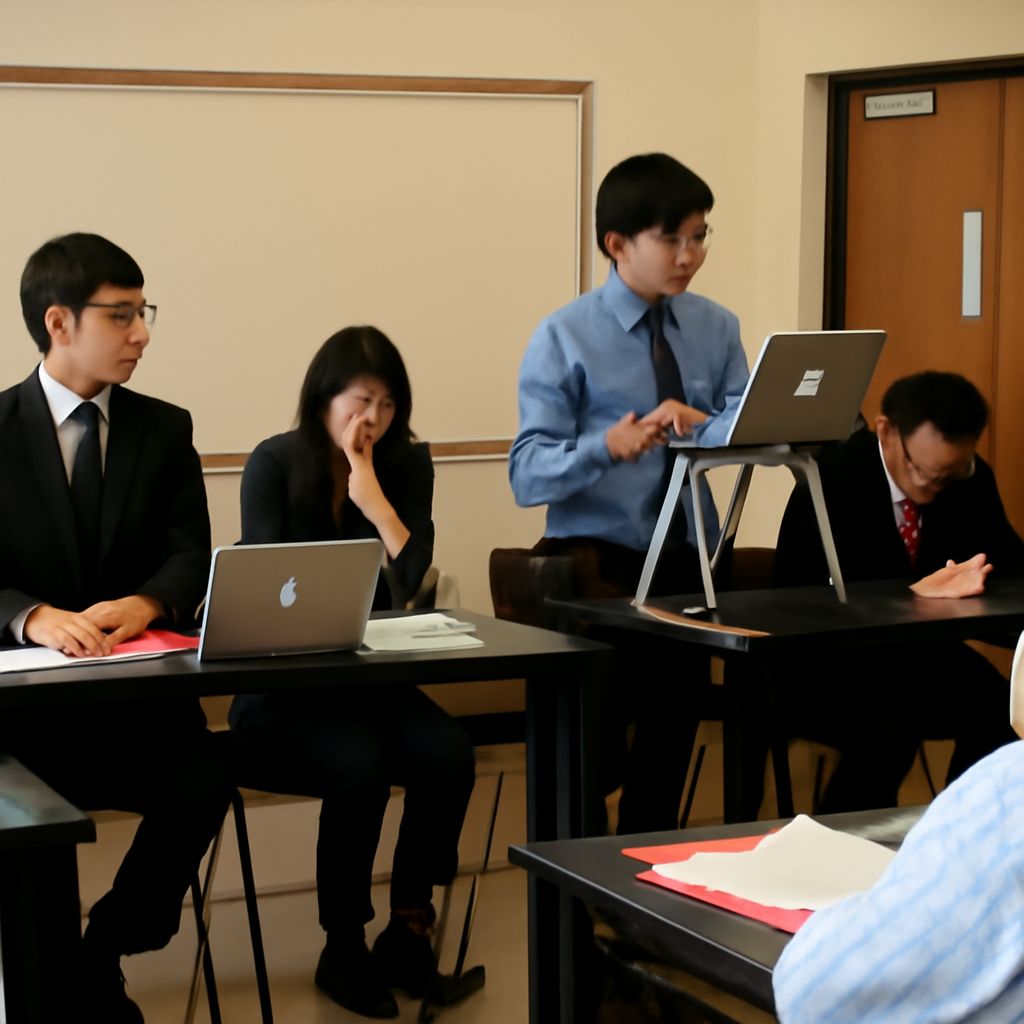
The public forum debate format, sometimes called PF debate format, is a widely used style in high school and middle school debate competitions. Designed to be accessible, it emphasizes clear communication, logical argumentation, and persuasion about current events. Teams of two debate a resolution—usually a statement on public policy or social issues—in a structured series of alternating speeches, crossfires, and summaries. Understanding the format, round structure, speaker roles, and key strategies is essential for any student or coach preparing for public forum debate.
What is the public forum debate format?
The public forum debate format is a partner debate style focused on issues of public interest. Each debate features two teams, each with two speakers. The teams are labeled Pro (affirming the resolution) and Con (negating the resolution). The resolution is released before tournaments, allowing research and preparation on both sides. Debates are judged primarily on evidence, logic, and impact analysis rather than speed or technical argumentation, making PF debate accessible to general audiences and lay judges.
Public forum debate distinguishes itself from other formats like Lincoln-Douglas or Policy debate. While Policy debate emphasizes in-depth research and technical argumentation, the PF debate format rewards concise analysis, persuasive delivery, and clarity. The format encourages debaters to make arguments that are understandable by people with no prior debate experience, increasing its popularity in community and civic forums as well as educational settings.
Structure and timing of a public forum debate round
A typical public forum debate round follows a set sequence of speeches and cross-examinations. Each round starts with a coin flip; the winner chooses either the side (Pro or Con) or speaking order, and the other team decides the remaining option. The standard structure is as follows:
- First Speaker (Team A, four minutes): Constructive—presents the team’s main case and arguments supporting their side.
- First Speaker (Team B, four minutes): Constructive—presents the opposing case with their arguments.
- First Crossfire (three minutes): Both first speakers question each other, seeking to expose weaknesses or clarify points.
- Second Speaker (Team A, four minutes): Rebuttal—responds to the opponent’s case while reinforcing their own.
- Second Speaker (Team B, four minutes): Rebuttal—does the same for their side.
- Second Crossfire (three minutes): Both second speakers question each other.
- Summary Speeches (Team A and Team B, each three minutes): Each side summarizes the key points and narrows the debate to the most important issues.
- Grand Crossfire (three minutes): All four debaters participate, allowing for broader interaction and strategic questioning.
- Final Focus Speeches (Team A and Team B, each two minutes): The last opportunity for each team to crystallize the issues and explain why they should win the round.
Each team receives a set amount of prep time (typically two or three minutes) to use at their discretion throughout the round. Strict adherence to speech times is enforced, promoting concise and organized argumentation.
Roles and responsibilities of each speaker
Each speaker in the public forum debate format has specific responsibilities. The first speaker on each team introduces the case, outlining the team’s main arguments and the framework for evaluating the round. This speech sets the tone and direction for the rest of the debate. The second speaker listens to the opponent’s case and focuses on refutation and defense, pointing out flaws and inconsistencies while bolstering their own arguments.
During crossfire sections, speakers ask and answer questions designed to clarify positions or expose weaknesses. Effective crossfire requires sharp listening and quick thinking, as it can influence the judge’s perception of credibility and confidence.
The summary and final focus speeches are crucial for condensing the round’s major issues and clarifying the team’s path to victory. The first summary speech typically covers defense and extends key arguments, while the final focus narrows the debate to the most compelling reasons for the judge to vote for the team.
Key strategies for success in PF debate
To succeed in PF debate, teams must balance research depth with accessibility. One essential strategy is to develop clear, well-organized cases that resonate with lay judges. Avoid jargon and focus on framing arguments in straightforward, persuasive language. Impact calculus—explaining why your side’s impacts matter most—is critical in close rounds.
Effective use of crossfire can establish momentum and unsettle opponents. Prepare targeted questions in advance but remain flexible to adapt to the flow of debate. Good note-taking (flowing) helps track arguments and ensures that important points are not dropped in later speeches.
Strategically allocating prep time, focusing on crystallization in summary and final focus speeches, and maintaining respectful decorum all contribute to a strong performance. Mastering the PF debate format’s structure and emphasizing clarity will maximize a team’s competitive edge.