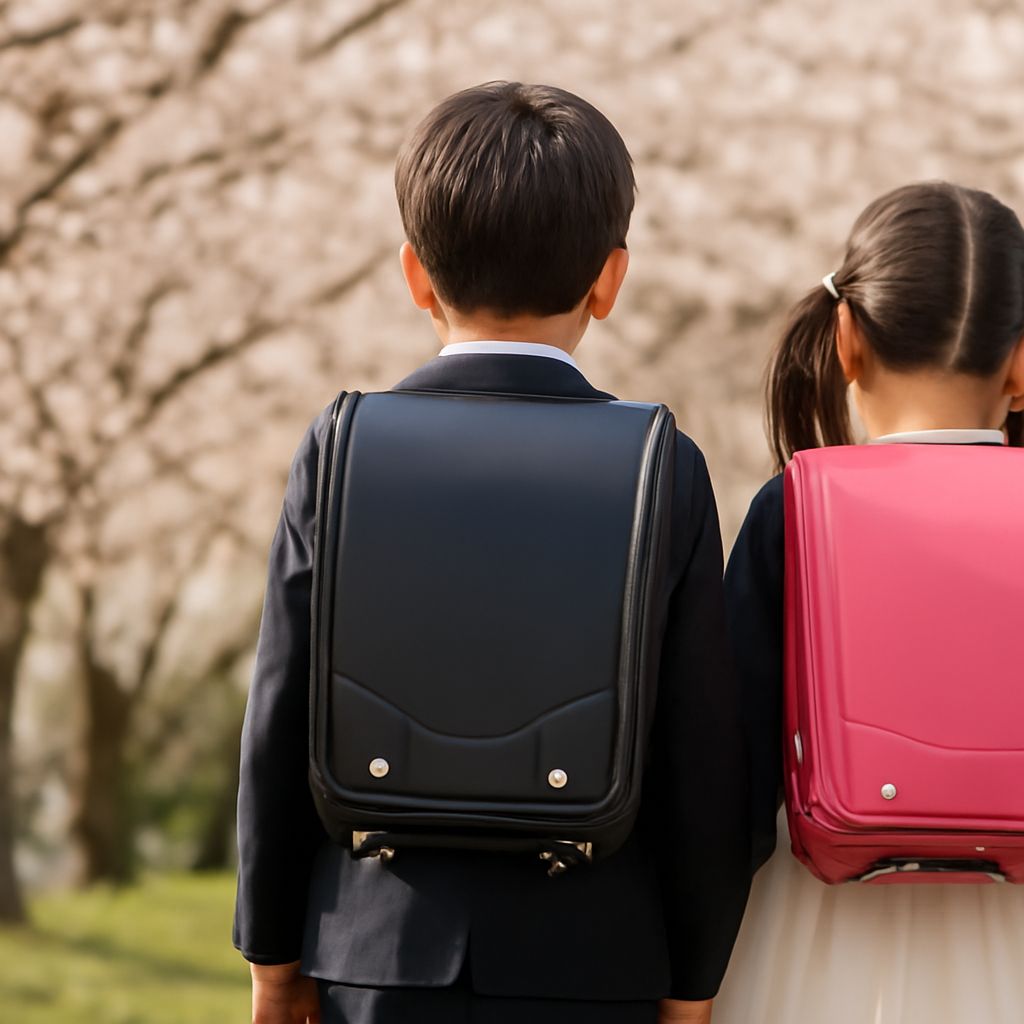
Japanese schools are known worldwide for their discipline, academic rigor, and distinctive year structure. Understanding how a Japan school operates and what sets Japanese school years apart from other systems is essential for parents, students, and those interested in education abroad. This guide explores the organization of Japanese schools, the academic calendar, and cultural elements that define student life throughout Japan.
What is a Japan school and how does it work?
A Japan school refers to an educational institution in Japan that follows the national curriculum set by the Ministry of Education, Culture, Sports, Science and Technology (MEXT). The school system is divided into three main stages: elementary (shougakkou), junior high (chuugakkou), and senior high (koukou). Compulsory education covers six years of elementary and three years of junior high, making nine years in total. Attendance is mandatory for all children ages 6 to 15.
Japan schools are characterized by high academic expectations and a strong focus on group harmony. Classes typically consist of 30 to 40 students, and teachers rotate between classrooms instead of students moving for each subject, especially in elementary school. Students wear uniforms from junior high onward, reinforcing a sense of community and equality.
Beyond academics, Japanese schools emphasize moral education, social responsibility, and daily routines such as cleaning the classroom as a group. Extracurricular activities, known as bukatsu, range from sports teams to cultural clubs, and are an integral part of student life. These features contribute to both academic achievement and the personal development of students throughout their school years.
The structure of Japanese school years
The Japanese school year starts in April and ends in March of the following year, a schedule that differs from many Western countries. The year is commonly divided into three terms:
- First Term: Early April to late July
- Second Term: Early September to late December
- Third Term: Early January to late March
Between these terms are school holidays: summer vacation (about six weeks, late July to late August), winter vacation (around two weeks, late December to early January), and a short spring break (about two weeks in late March to early April). Because the Japanese school years follow the fiscal year, graduation and entrance ceremonies take place in March and April, aligning with the national sense of new beginnings in spring.
Most students progress automatically from one year to the next, but junior and senior high school transitions require entrance exams. The academic calendar is filled with lessons in core subjects—Japanese, mathematics, science, social studies, and English—plus physical education, art, and music. Classwork is supplemented by regular homework and periodic assessments, especially as students advance through the system and prepare for high school and university entrance exams.
Key dates and terms in the Japanese academic calendar
Several dates and terms are central to the Japanese school calendar. The school year begins with nyuugakushiki (entrance ceremony) in early April, a formal event where new students are welcomed. Each term starts with an opening ceremony and ends with a closing ceremony. The end of March sees sotsugyoushiki (graduation ceremony), marking the completion of an educational stage.
Examinations are conducted at the end of each term and are important for academic promotion. In January and February, students taking entrance exams for high school or university face a particularly intense period known as juken season. Other notable events include bunkasai (cultural festivals) and undoukai (sports days), which are highlights of the school year and foster school spirit and cooperation among students.
Attendance is carefully tracked, and truancy is rare due to both social expectations and legal requirements. Parental involvement is encouraged through regular meetings and communication with teachers, especially in elementary and junior high schools.
Cultural traditions and student life in Japanese schools
Japanese school culture is deeply influenced by traditions that promote unity, responsibility, and personal growth. Uniforms are standard in most schools, serving as a visible sign of belonging and minimizing socioeconomic differences among students. Daily group cleaning, known as souji, reinforces respect for shared spaces and mutual cooperation.
Club activities, or bukatsu, are a defining aspect of student life. Participation in sports teams, art clubs, music ensembles, and academic societies offers opportunities to develop leadership skills, form lasting friendships, and explore interests beyond the standard curriculum. Many students devote significant after-school time to these pursuits, sometimes practicing several days a week or even daily.
Seasonal traditions, such as viewing cherry blossoms in spring or hosting cultural festivals, enrich the school experience and connect students with broader Japanese customs. Through ceremonies, clubs, and communal responsibilities, Japanese schools create an environment where academic achievement, social development, and cultural continuity go hand in hand, shaping students for life beyond the classroom.