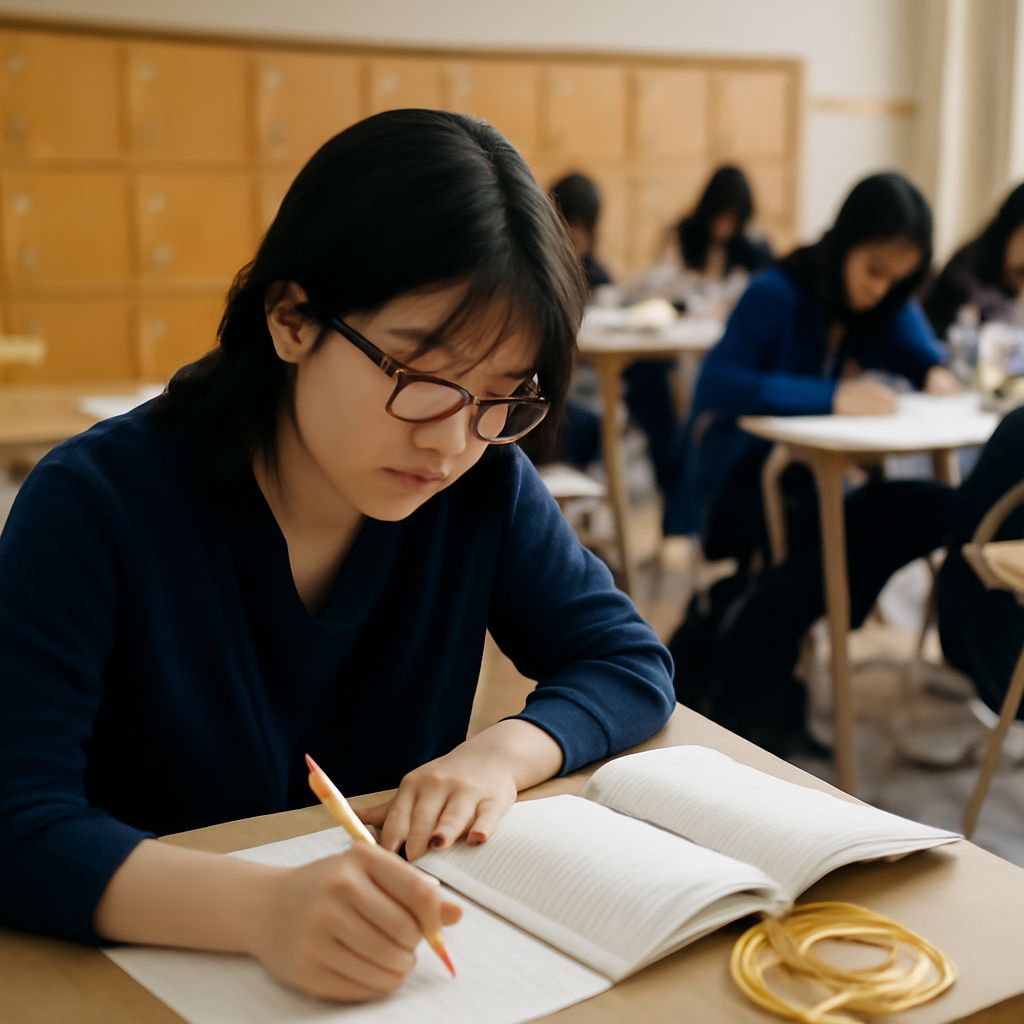
The Korean school system is recognized worldwide for its rigor and effectiveness. Education in South Korea is structured to provide high-quality learning experiences, emphasizing discipline and academic excellence. Understanding its unique features and societal impact offers valuable insights into why it is often seen as a model for educational success.
Overview of the Korean school system
The Korean school system is divided into several levels: primary, middle, and high school, followed by optional higher education. Children typically start primary school at age six, with each level lasting for three years. Middle and high schools continue this structure, preparing students for the highly competitive college entrance exams.
Mandatory education spans nine years, encompassing both primary and middle school. High school, though not mandatory, sees high enrollment rates due to the emphasis on college preparation. The academic year in South Korea usually starts in March and is divided into two semesters.
Unique features of South Korean education
South Korea’s education system is characterized by several unique features that contribute to its reputation. One such feature is the intense focus on standardized testing. Students spend considerable time preparing for the College Scholastic Ability Test (CSAT), which plays a crucial role in university admissions.
Another distinctive aspect is the prevalence of after-school tutoring, known as “hagwons.” These private institutions supplement regular schooling and are integral to achieving high academic performance. Additionally, South Korean schools emphasize discipline and respect, with teachers holding a revered status in society.
Impact on students and society
The education in South Korea significantly impacts both students and society. The rigorous curriculum fosters a strong work ethic and commitment to learning, contributing to the country’s high literacy rates and economic growth. However, the pressure to succeed academically can lead to high stress levels among students.
Socially, the emphasis on education cultivates a culture that values knowledge and intellectual achievement. This focus has propelled South Korea to the forefront of technological and scientific advancements, further solidifying its global standing.
Overall, the Korean school system is a testament to the country’s dedication to educational excellence, reflecting both its strengths and challenges.