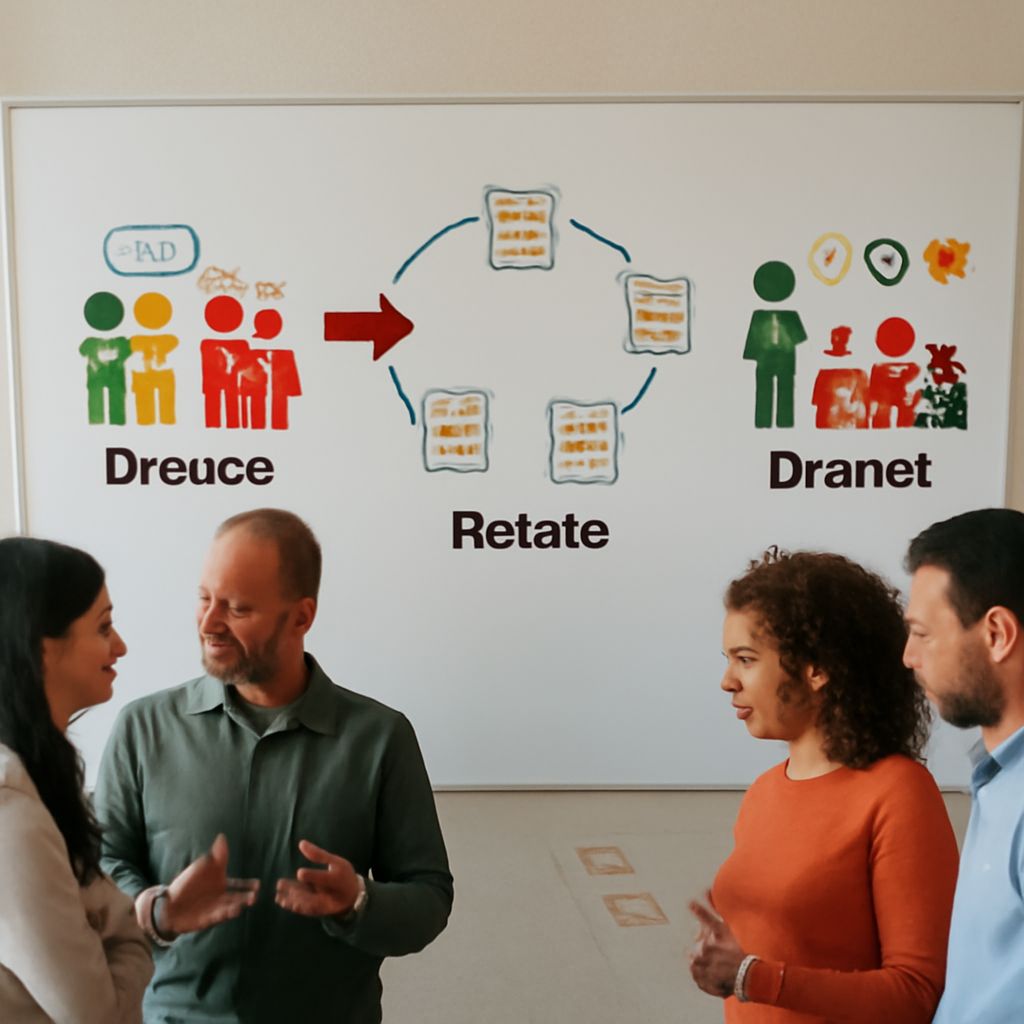
A gallery walk is an interactive teaching strategy that engages students in examining and discussing various displays set around the classroom. This method encourages active learning and critical thinking, making it ideal for character work and other educational purposes. By allowing students to move around and interact with different materials, a gallery walk activity can enhance understanding and foster collaboration.
What is a gallery walk?
A gallery walk involves setting up stations or displays around the room that students visit in small groups. Each station can feature different content, such as images, texts, or questions, related to the lesson’s theme. As students circulate, they engage with the material by reading, discussing, and writing responses. This dynamic format promotes active learning and deeper engagement with the subject matter.
Setting up your gallery walk activity
To set up a successful gallery walk, begin by identifying the objectives and key topics you want to cover. Choose suitable materials for each station, ensuring that they are diverse and engaging. Arrange the stations around the classroom so that students can move freely without congestion. Provide clear instructions and set time limits for each station to keep the activity organized and efficient.
- Choose materials: Use a mix of images, texts, and open-ended questions.
- Organize stations: Space stations evenly to allow easy movement.
- Prepare instructions: Explain the goals and guidelines clearly.
Facilitating character work during the walk
During the gallery walk, focus on facilitating character work by designing stations that encourage students to explore different perspectives. Use scenarios, quotes, or dilemmas that require analysis and empathy. Encourage students to discuss their thoughts and record their reflections at each station. This approach not only deepens their understanding but also enhances critical thinking and decision-making skills.
- Scenario analysis: Present real-world situations requiring character evaluation.
- Quote reflections: Use quotes that provoke thought and discussion.
- Discussion prompts: Encourage dialogue among students to explore various viewpoints.
Reflecting on the gallery walk experience
After completing the gallery walk, allocate time for students to reflect on their experiences. Facilitate a class discussion or have students write short reflections on what they learned and how their perspectives might have changed. This reflection phase is crucial, as it helps consolidate learning and allows students to articulate their insights and understanding.
- Class discussion: Encourage sharing of thoughts and insights.
- Written reflections: Have students document their learning experiences.
- Feedback collection: Gather student feedback for future improvements.