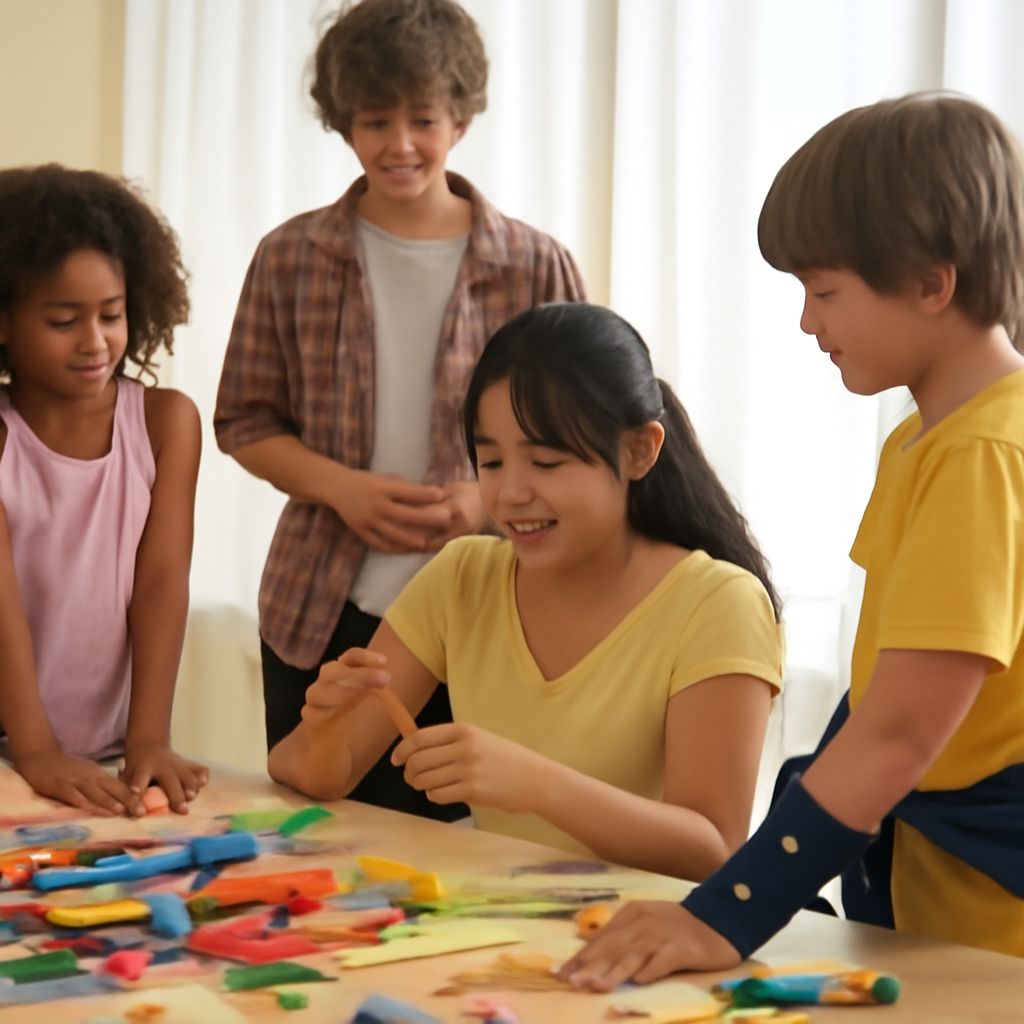
Art classes provide children with an opportunity to explore their creativity while developing essential skills. Engaging in art allows kids to express themselves in unique ways and can play a critical role in their overall development. Whether it’s painting, drawing, or sculpting, each art class offers a platform for kids to harness their imagination and refine their skills.
Why art classes are important for kids
Art classes are vital for children’s development because they enhance creativity, improve motor skills, and boost self-esteem. Young learners who participate in art classes are encouraged to think outside the box and solve problems artistically. These classes also help improve fine motor skills as children learn to manipulate a paintbrush, hold a pencil, or shape clay. Moreover, completing an art project gives kids a sense of accomplishment, boosting their self-confidence.
Types of art classes available for kids
There are various types of art classes available for kids, each focusing on different artistic disciplines. Popular options include:
- Painting classes: These classes teach children about color theory, brush techniques, and the basics of painting on different surfaces.
- Drawing classes: Focused on sketching and illustrating, these classes emphasize line work, shading, and perspective.
- Sculpture classes: By using materials like clay or papier-mâché, kids learn to create three-dimensional artworks.
- Mixed media classes: These classes introduce children to a variety of materials and techniques, encouraging innovative and experimental art.
- Digital art classes: As technology advances, digital art classes teach kids how to use software tools to create art digitally.
How to choose the right art class for your child
Choosing the right art class for your child involves considering their interests, skill level, and the goals you hope for them to achieve. Here are a few tips:
- Identify interests: Observe what type of art your child naturally gravitates toward, whether it’s drawing, painting, or creating with their hands.
- Assess skill level: Choose a class that matches your child’s current skill level. Some classes cater to beginners, while others might be more suitable for advanced learners.
- Consider class size and environment: Smaller classes often provide more personalized attention, which can be beneficial for younger or inexperienced children.
- Evaluate instructor qualifications: Ensure the instructors have experience teaching kids and are skilled in the specific art form.
- Check for trial classes: Some studios offer a trial class, allowing your child to experience the class before committing.
By considering these factors, you can find an art class that not only matches your child’s interests but also supports their artistic journey. Art classes for kids are a wonderful way to nurture creativity and personal growth, providing lifelong benefits.