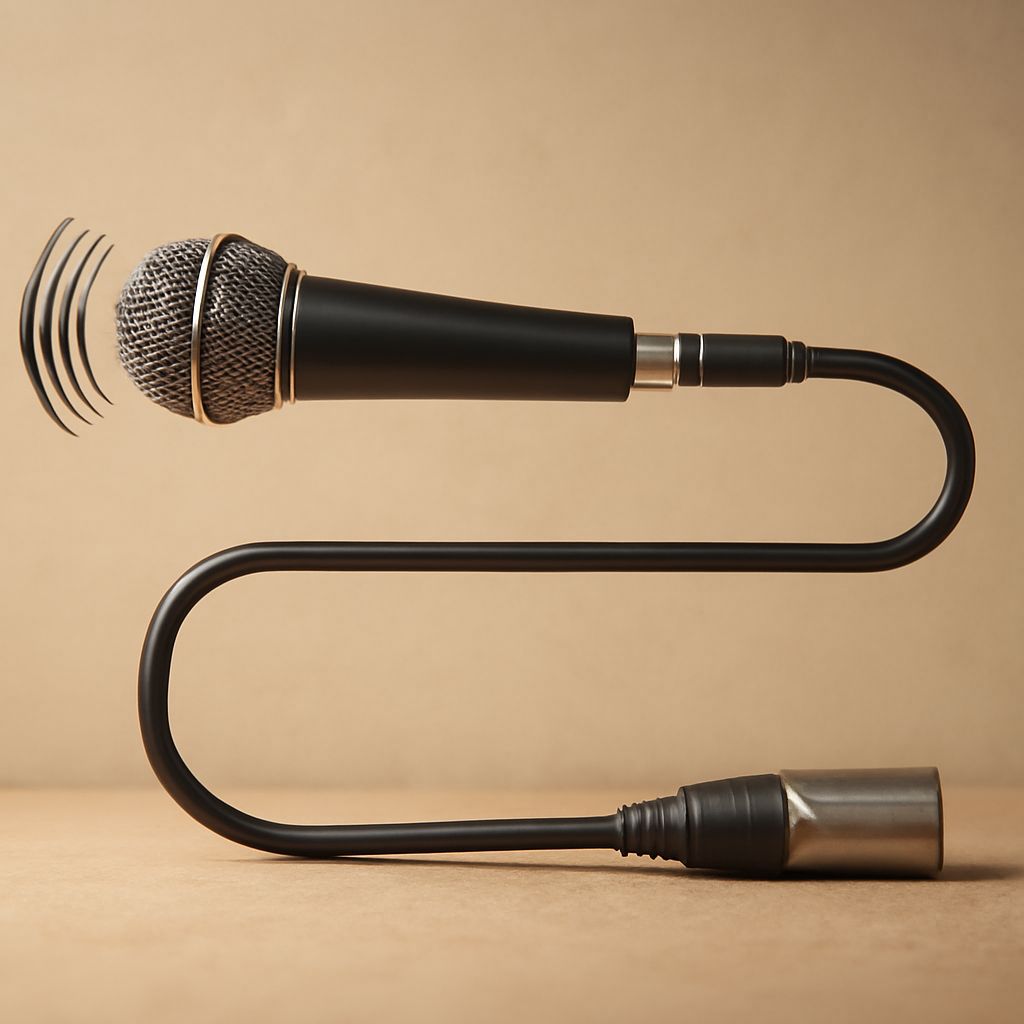
In the world of audio recording, XLR inputs play a crucial role in ensuring high-quality sound. These connectors are ubiquitous in professional audio equipment, known for their reliability and superior audio quality. Understanding their function and importance can significantly enhance your audio recording experience.
What does XLR stand for?
XLR stands for “External Line Return.” This term refers to a type of electrical connector primarily used in professional audio, video, and stage lighting equipment. The XLR connector is circular in design and typically features three pins, although variations with more pins exist for more complex audio setups. This standard design is specifically crafted to ensure secure connections and minimize signal interference, making it ideal for audio applications.
The role of XLR inputs in audio recording
XLR inputs are integral to connecting microphones and other audio devices to mixing consoles, audio interfaces, and amplifiers. They are designed to carry balanced audio signals, which means they minimize noise and interference—a crucial feature when recording or amplifying audio. The balanced nature of XLR cables ensures that the audio signal remains clean and strong, providing a clear and professional-quality sound.
How XLR inputs improve microphone performance
When it comes to microphone performance, XLR inputs offer several advantages. Firstly, the balanced audio signal they provide reduces the potential for noise and interference, crucial when capturing vocals or instruments in a studio or live setting. Additionally, XLR connectors often include a locking mechanism to prevent accidental disconnection, ensuring a stable connection throughout a performance or recording session.
Moreover, XLR inputs support phantom power, which is essential for powering condenser microphones. Phantom power is a method of transmitting DC electric power through microphone cables to operate microphones requiring electric power to operate correctly, such as condenser mics.
Common applications of XLR audio
XLR audio is widely used in various applications beyond just audio recording studios. They are commonly found in live sound applications, where they connect microphones and instruments to PA systems. Due to their robustness and ability to handle long cable runs without signal degradation, XLR connections are also favored in film and broadcasting environments.
Additionally, XLR connectors are used in lighting and video applications, though their primary association remains with audio. This versatility underscores the importance and reliability of XLR inputs across multiple audiovisual disciplines.