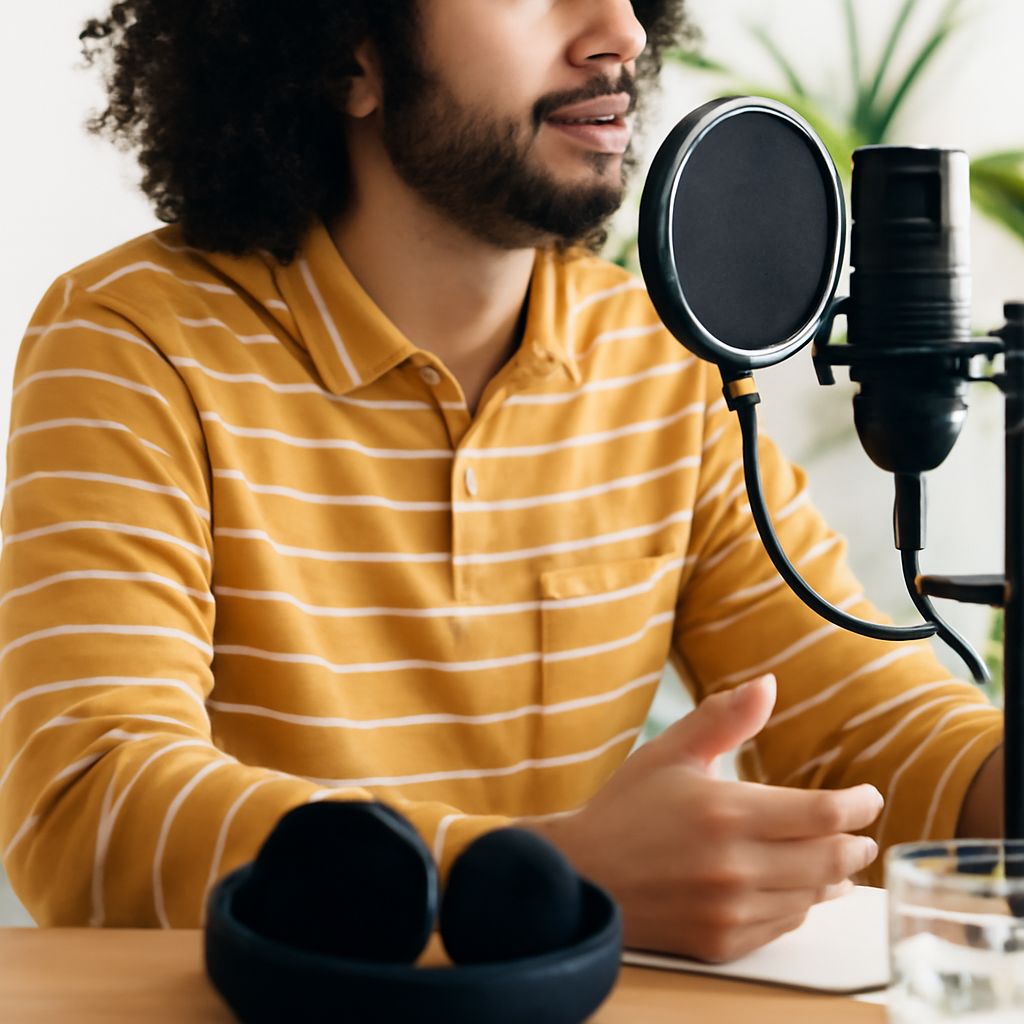
Audiobook narration is a performance job with technical standards. If you want to learn how to become a narrator, start by studying how experienced audiobook narrators keep a story clear for hours, hold a listener’s attention, and make every chapter feel steady under pressure. The best audiobook readers do more than sound pleasant; they control pace, shape dialogue, and stay consistent from page one to the end.
This guide shows what the work involves, which narrators are worth studying, and how to turn that listening into practice, samples, and auditions you can actually use.
What audiobook narrators do
Audiobook narrators prepare a manuscript, make performance choices, record clean takes, and keep those choices stable across a long book. The job blends acting, diction, breath control, and basic studio skill. Some narrators also handle editing or punch-and-roll recording, while others work with a producer who manages the file workflow.
For beginners, the main lesson is simple: a strong audiobook performance is not just a good voice. It is a repeatable voice. Listeners need to understand who is speaking, where the story is moving, and what emotional tone each scene carries.
- Preparation: mark character names, unfamiliar terms, and emotional turns before you record.
- Performance: keep the pace clear, avoid rushed endings, and separate characters without turning them into cartoons.
- Consistency: make sure chapter one and chapter fifteen sound like the same narrator in the same book.
- Production: record clean audio, control noise, and fix mistakes without losing the natural flow of the read.
If you are learning how to become a narrator, treat long-form concentration as a core skill. A short sample can hide weak stamina. An audiobook exposes it.
Great audiobook narrators to study
One of the fastest ways to improve is to listen like a working narrator. Choose a scene, listen closely, then note what the performer does with pacing, diction, tone, and character contrast. The best audiobook readers solve different problems depending on the book, so study a range of styles rather than copying a single voice.
Pacing and clarity: Julia Whelan, Simon Vance, and Grover Gardner
Julia Whelan is a strong model for clean pacing and emotional precision. She often sounds intimate without becoming rushed, which makes dialogue and narration feel connected. Notice how she shapes sentence endings so the text stays clear even in fast-moving scenes.
Simon Vance is worth studying for articulation and control. His reads often carry a polished, even rhythm that works especially well in literary fiction, history, and suspense. Pay attention to how he keeps the listener oriented when the prose becomes dense.
Grover Gardner is a useful example of steady, trustworthy narration. His strength is not flashy delivery but dependable clarity. That is especially valuable in nonfiction and long-form books where the listener needs calm momentum and exact wording.
When you listen to these audiobook narrators, notice where they pause, how much energy they put on proper nouns, and how they avoid sounding identical on every line.
Character work: Bahni Turpin, Robin Miles, and Moira Quirk
Bahni Turpin is a standout for character distinction and emotional intelligence. She gives different characters identifiable rhythm and attitude without overworking pitch changes. Listen for how she makes conversations feel alive while keeping the story grounded.
Robin Miles brings clarity and agility to ensemble scenes. She handles multiple characters with a clean internal logic, which is especially useful in fantasy, science fiction, and books with large casts. Study how she separates voices through intent, pace, and phrasing, not just accent.
Moira Quirk is a strong example of energetic but controlled characterization. She can make dialogue vivid and playful while preserving the book’s tone. Notice how she gives each speaker a slightly different texture so scenes remain easy to follow.
These performers show a key principle: character differentiation works best when each voice has a reason. A character can differ by speed, attitude, or breathing pattern, not only by gender or pitch.
Tone and genre fit: Will Patton, Edoardo Ballerini, and Dion Graham
Will Patton has a textured, lived-in tone that fits literary fiction and stories with regional color. He often lets silence and restraint do part of the work. Study how he uses understatement to create weight.
Edoardo Ballerini is especially effective in suspense and literary nonfiction. His voice tends to feel elegant and controlled, which can add tension without sounding forced. Listen to how he builds momentum by keeping the prose moving cleanly.
Dion Graham is a strong example of warmth, authority, and forward motion. His reads often feel conversational while still carrying the structure of a polished performance. That balance makes him useful to study for commercial fiction and nonfiction alike.
For genre fit, pay attention to whether the narration enhances the book’s natural speed and mood. A great performance should sound right for the material, not just impressive in isolation.
Practice long-form consistency and character differentiation
Learning how to become a narrator requires repetition. One polished paragraph does not prove readiness. You need a routine that builds vocal consistency, clean recording habits, and stamina across chapter-length material.
-
Practice daily with marked character choices.
Choose a short passage and mark every name, difficult word, and emotional beat. Write a few notes for each recurring character: pace, attitude, and energy level. Keep the choices simple enough to repeat for thousands of words.
-
Record short sessions and listen back immediately.
Start with 5 to 10 minutes. Listen for rushed sentence endings, breath noise, mouth clicks, and pitch drift. Success sounds even and understandable. Failure sounds different in every take, especially when you return to the same voice a day later.
-
Build chapter-length stamina.
Move from 15-minute sessions to 30 minutes, then to 45 or 60 minutes with breaks. Keep your body relaxed, your mouth hydrated, and your energy steady through the final pages. If your voice fades late in the session, reduce intensity before you increase length.
-
Test character differentiation in dialogue.
Record two or three characters in conversation. Give each one a different rhythm and intent. A useful character voice should still sound natural when repeated in the next chapter, not just in one dramatic exchange.
-
Review consistency across days.
Re-record the same paragraph a week later and compare it with the original. If the voice has changed too much, simplify the choices. The goal is a stable performance, not a clever one-time effect.
These habits help you sound like a professional before you have professional credits. They also reveal which genres and character types fit your voice most naturally.
Create samples and start auditioning for audiobook work
Once you can sustain a clean read, build a focused demo and begin auditioning. Do not try to sound like every narrator at once. Choose material that matches your natural strengths and the kinds of books you want to book again.
Build a focused demo in one or two genres
Make a short sample set that sounds like real audiobook pages, not a commercial reel. Two or three excerpts are usually enough. Keep the production simple and clean.
- Pick one or two genres: for example, romance and mystery, or nonfiction and literary fiction.
- Use excerpts with different demands: include narration, dialogue, and a passage with more emotional movement.
- Keep the audio clean: no music, no sound effects, no heavy processing.
- Only include work you can repeat: a sample that depends on strain will not hold up in an audition.
If you are early in the process, a single excellent sample in one genre is better than four uneven ones.
Get feedback from coaches or trusted listeners
Before you submit anything, ask for specific feedback on clarity, pacing, character separation, and stamina. A coach, producer, or experienced listener can spot issues that are hard to hear in your own voice. Ask them whether the read sounds natural, whether the audio quality is clean, and whether the performance stays engaging without becoming busy.
Revise the sample once or twice, then stop. Over-editing often makes a narrator sound stiff. A useful sample should feel controlled, not overbuilt.
Submit auditions and track results
Start with opportunities that match your current range, such as indie authors, production companies, or casting platforms like ACX. Submit only when the script fits your voice and you can deliver a polished file on deadline.
- Choose auditions that fit your strongest genre.
- Record a clean, focused read with a clear beginning, middle, and ending.
- Track every submission in a spreadsheet. Include title, genre, deadline, where you found it, notes on the script, and the result.
- Review patterns after 10 to 20 auditions. Notice where you get replies, which tones feel natural, and which scripts flatten your energy.
- Adjust your sample and targeting based on results. If you keep getting interest in warm nonfiction or grounded fiction, build more around that strength.
The fastest way forward is to study respected audiobook narrators, practice one repeatable performance style, and use each audition to sharpen your range, your recording discipline, and your genre focus.