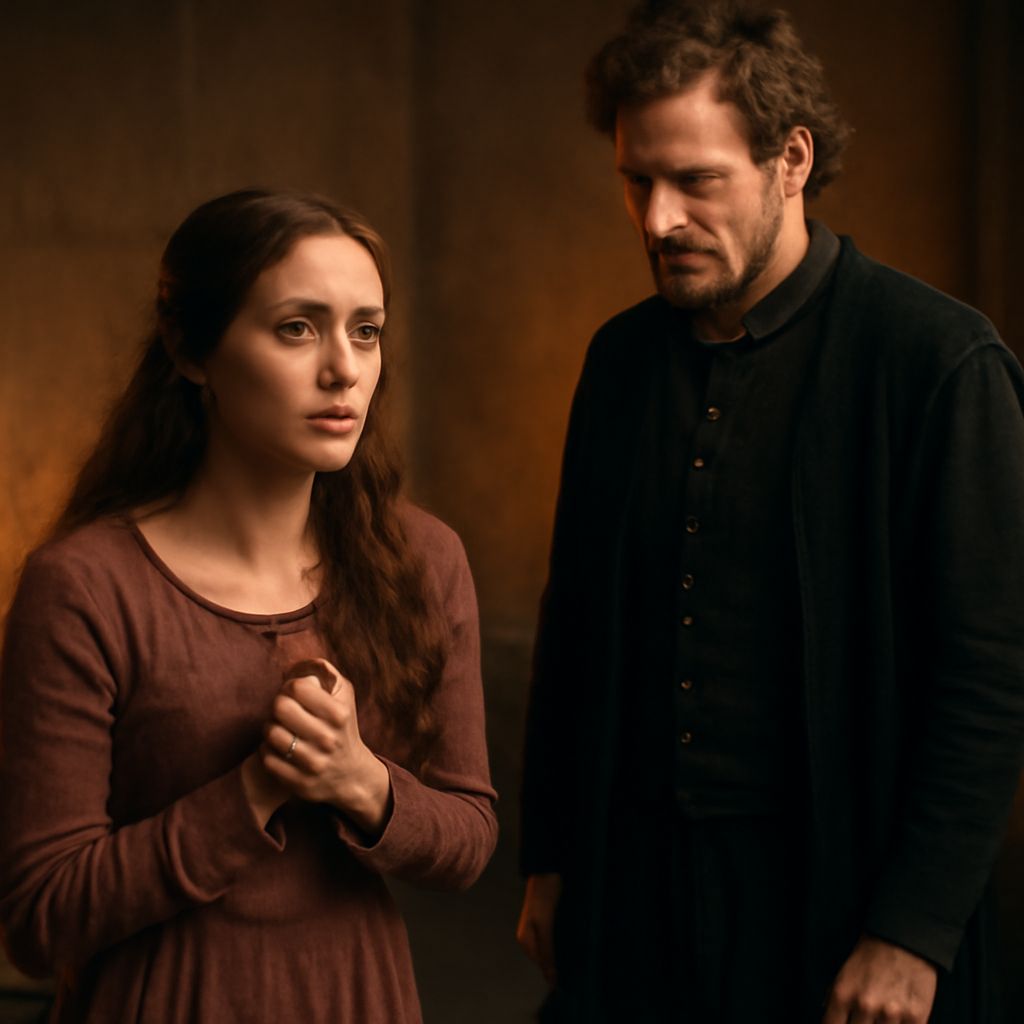
Short monologues work best when the text, the performer, and the clock line up. This guide curates short monologues for female and male performers by source, tone, duration, and performance demand, so you can move from browsing to choosing without guessing.
The lists below use fame as a search filter, not a requirement. The famous female monologues section favors recognizable speeches with strong audition value, while the male section includes monologues for males from classical and modern plays that can be cut to a practical length.
How to use the short monologues repertoire
Start with four filters: source, fit, tone, and length. Source tells you whether the language is verse, heightened drama, or realistic speech. Fit tells you whether the role’s age, status, and energy match your casting range. Tone tells you what the room will feel first. Length tells you whether the speech can be cut to 45, 60, or 90 seconds.
- Source. Shakespeare, Greek tragedy, and classical drama usually reward clarity and breath control. American and contemporary drama usually reward active listening and a natural rhythm.
- Fit. Choose a character you can play honestly now, not a fantasy version of yourself. A believable age range matters more than a famous title.
- Tone. Keep one grounded choice, one heightened choice, and one piece with a clear emotional turn in your shortlist.
- Length. A short monologue for an audition usually sits between 45 and 90 seconds. Cut the setup first, not the turn.
Use fame as a filter, not the decision. A well-known speech only helps if your choices inside the text are specific and your timing is clean.
Famous short monologues for female performers
These famous female monologues are useful when you want a recognizable title with a strong point of view. Each one can be cut short without losing the central conflict.
- A Streetcar Named Desire — Blanche DuBois. Blanche defends illusion after her version of events is challenged. Tone: fragile, seductive, defensive. Approximate duration: 45 to 60 seconds. Performance demand: keep the charm alive while the panic underneath becomes visible.
- A Doll’s House — Nora Helmer. Nora explains why she must leave her marriage and choose herself. Tone: clear, wounded, resolute. Approximate duration: 60 to 90 seconds. Performance demand: let the thought sharpen as the speech moves forward.
- Macbeth — Lady Macbeth. In the sleepwalking scene, Lady Macbeth tries to wash away imagined blood. Tone: obsessive, fractured, haunted. Approximate duration: 45 to 75 seconds. Performance demand: show a mind coming apart through detail, not volume.
- Romeo and Juliet — Juliet. Juliet speaks after falling for Romeo, with the balcony scene’s private urgency. Tone: lyrical, yearning, intimate. Approximate duration: 45 to 60 seconds. Performance demand: make the verse feel spontaneous and newly alive.
- The Merchant of Venice — Portia. Portia delivers the speech on mercy with calm authority. Tone: elegant, persuasive, humane. Approximate duration: 60 to 90 seconds. Performance demand: keep the argument active so the poetry lands as thought, not ornament.
- The Glass Menagerie — Amanda Wingfield. Amanda recalls gentleman callers while pushing her hopes onto Laura. Tone: comic, nostalgic, forceful. Approximate duration: 60 to 90 seconds. Performance demand: balance laughter and loneliness so the scene stays human.
Short monologues for male performers
The male list mixes classical and contemporary monologues for males, so you can compare rhetorical power with natural speech. Each monologue is short enough for most audition slots and specific enough to show range.
- Hamlet — Hamlet. Hamlet weighs action against self-doubt in the famous soliloquy. Tone: reflective, anxious, intelligent. Approximate duration: 60 to 90 seconds. Performance demand: make the thought process audible without flattening into lecture.
- Macbeth — Macbeth. Macbeth sees an imagined dagger before killing Duncan. Tone: feverish, urgent, suspenseful. Approximate duration: 60 to 90 seconds. Performance demand: build tension steadily and keep the danger close to the surface.
- The Crucible — John Proctor. Proctor refuses to hand over his name and integrity. Tone: furious, principled, human. Approximate duration: 45 to 75 seconds. Performance demand: move from restraint to refusal without losing control.
- Richard III — Richard. Richard opens by announcing his own villainy and strategy. Tone: sly, charismatic, self-inventing. Approximate duration: 60 to 90 seconds. Performance demand: keep the audience included, almost as accomplices.
- Death of a Salesman — Biff Loman. Biff confronts the lie at the center of his family’s version of success. Tone: raw, disappointed, exposed. Approximate duration: 60 to 90 seconds. Performance demand: play the break in the relationship, not just the anger.
- Romeo and Juliet — Romeo. Romeo speaks under Juliet’s balcony in a romantic burst of hope. Tone: ardent, lyrical, breathless. Approximate duration: 45 to 60 seconds. Performance demand: make the language sound direct, not decorative.
- Cyrano de Bergerac — Cyrano. Cyrano turns insecurity into bravura in his famous nose speech. Tone: witty, defiant, playful. Approximate duration: 60 to 90 seconds. Performance demand: keep the comic rhythm crisp while the pride stays real.
Choose and prepare a piece
Choose a piece only after you can state the work, the character’s need, and the shift in one sentence. Then trim for the room you are actually walking into.
- Build a short shortlist. Pull one classical speech, one realistic speech, and one backup with a different tone. That gives you options if the casting note changes the requested range.
- Match performer fit first. The best cut for you is the one you can play truthfully now. Age, status, and vocal ease matter more than the piece’s reputation.
- Cut to the turn. Keep the line that reveals the decision, then remove extra setup. For a one-minute cut, aim for a clean opening, one clear beat change, and a final thought that lands.
- Rehearse the situation. Know who you are speaking to, what you want, and what blocks you. If the speech sounds memorized, return to the objective and speak it again in plain language first.
- Run timing and cleanup. Stop once at full speed and once with performance energy. If the speech runs long, cut repetition, not urgency.
- Success cue: the listener can name the character, tone, and conflict within the first few lines.
- Failure cue: the speech becomes a recitation, the emotional turn is missing, or the ending fades without a clear final beat.
- Finished result: a short monologue cut that fits the limit, sounds specific, and shows range without feeling overstaged.