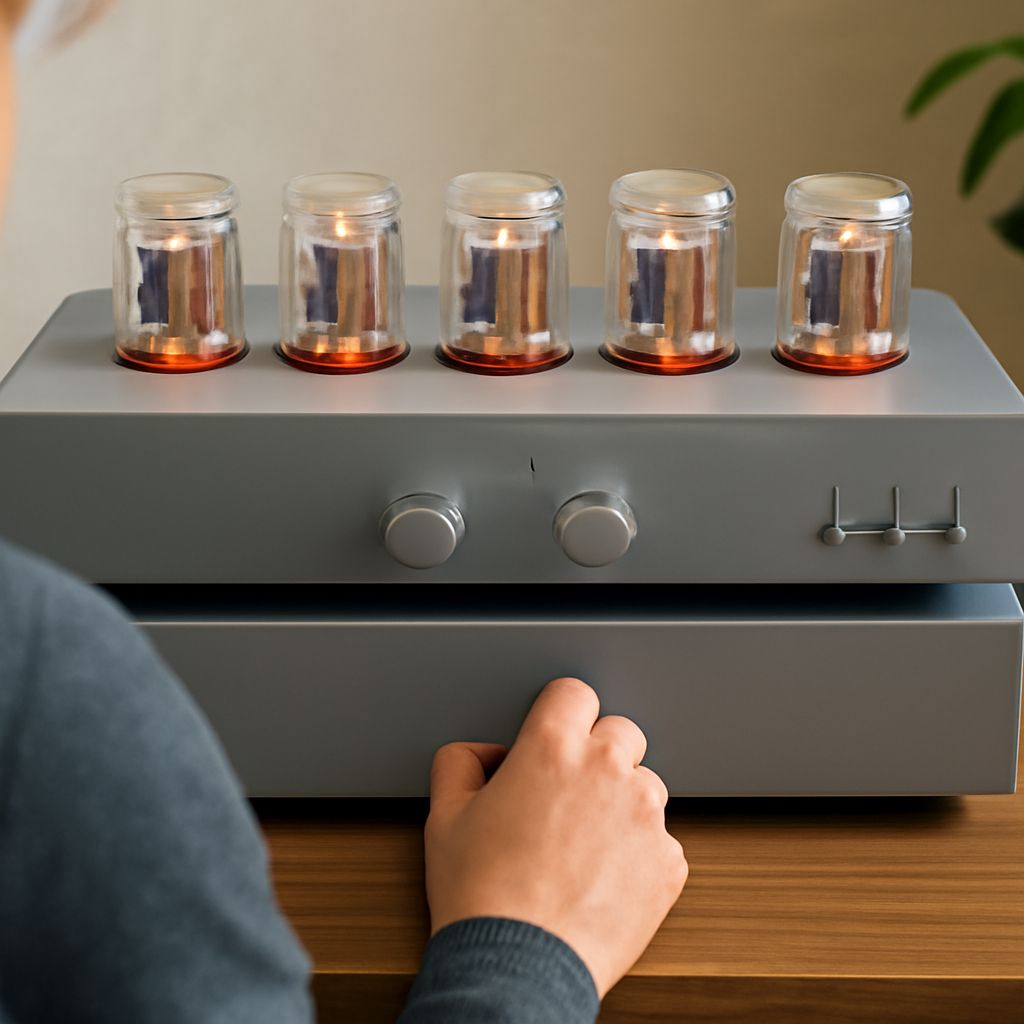
In the world of vinyl records, achieving the best sound quality requires more than just a high-quality turntable. An external phono preamp is a crucial component that can significantly enhance your listening experience. Understanding the role of a phono stage and selecting the right phono preamps are essential steps for any audiophile looking to optimize their audio setup.
What is an external phono preamp?
An external phono preamp is a standalone device that amplifies the low-level output from a turntable’s cartridge to a level suitable for the line inputs on amplifiers or receivers. This amplification process is vital because turntables produce a lower-level signal compared to other audio sources. The phonograph preamp also applies the RIAA equalization curve, which ensures that the sound reproduction is true to the original recording.
Benefits of using a phono stage
Using a dedicated phono stage offers several advantages. Firstly, it provides higher-quality sound by offering more precise amplification and equalization compared to the built-in options on many amplifiers or receivers. This results in clearer, richer audio with less noise and distortion.
Additionally, external phono preamps often come with adjustable settings, allowing users to tweak the gain and impedance to match specific cartridges, thereby optimizing performance. This customization enhances the overall sound quality and ensures compatibility with a wide range of turntables and cartridges.
Choosing the right phono preamps for your setup
When selecting a phono preamp, consider the compatibility with your existing equipment. Ensure that the preamp matches the cartridge type—either moving magnet (MM) or moving coil (MC)—as this affects the gain and input impedance requirements.
Another factor to consider is the build quality and design. Look for preamps with robust construction and quality components, as these contribute to the longevity and reliability of the device. Brands like Cambridge Audio, Pro-Ject, and Rega offer reliable options that cater to different budgets and preferences.
Finally, take into account additional features such as adjustable gain settings and multiple input/output options. These features offer more flexibility and future-proofing for your audio setup, allowing for easy integration with other audio equipment.