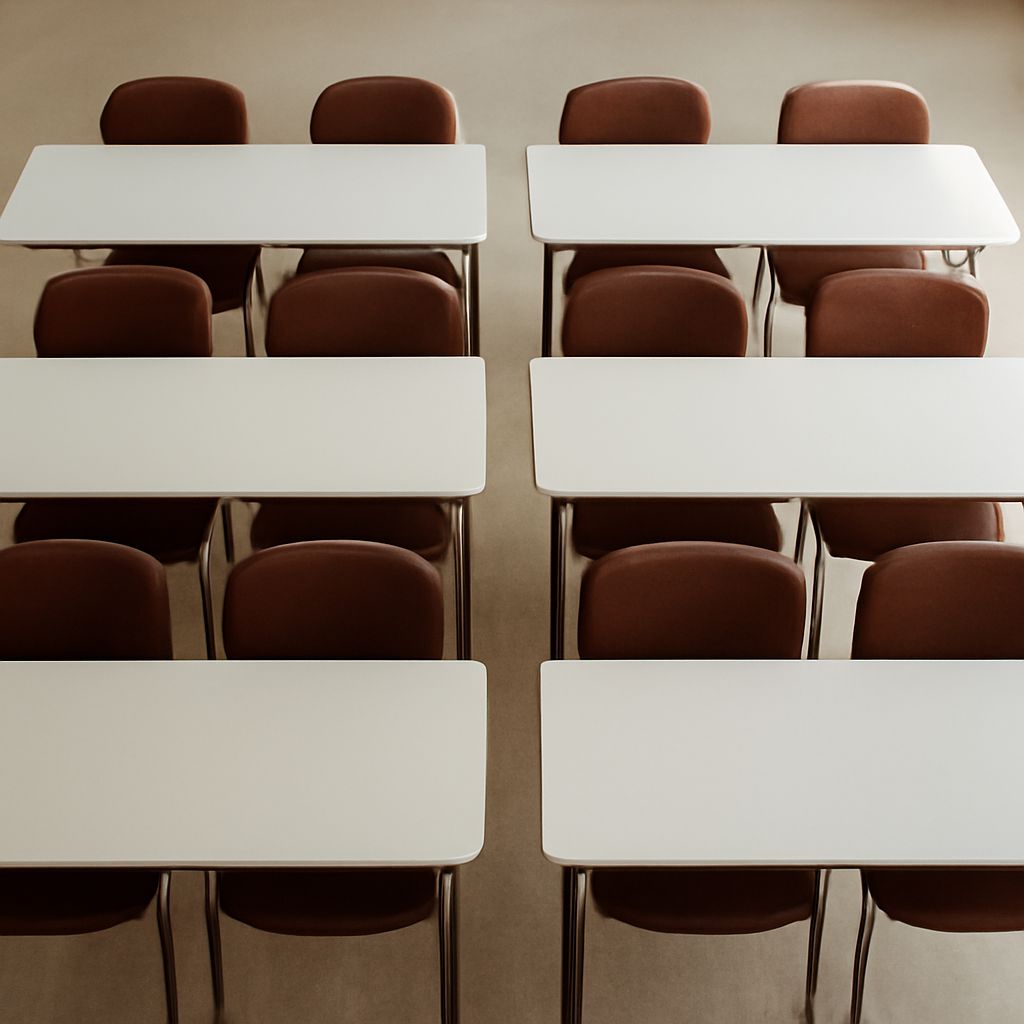
Creating an effective classroom seating chart is essential for enhancing learning and managing classroom dynamics. A well-designed seating chart can improve student engagement, facilitate better teacher-student interactions, and promote a positive learning environment. By utilizing a classroom seating chart template, teachers can streamline this process, ensuring that all student needs are considered.
Why seating charts matter
Seating charts play a critical role in classroom management. They help minimize disruptions by strategically positioning students who may need more supervision or assistance. Additionally, seating arrangements can foster collaboration among students, encourage participation, and support differentiated learning. A thoughtful arrangement can also make it easier for teachers to monitor student behavior and provide personalized attention where needed.
How to create a classroom seating chart
Creating an effective classroom seating chart involves several steps. First, consider the classroom layout and the number of students. Identify any special needs or accommodations required for specific students and note any group work or pairings that are beneficial. Next, decide on a seating arrangement style that aligns with your teaching goals, such as rows, circles, or clusters. Finally, position students according to these considerations, ensuring balance between different personality types and learning styles.
Using a classroom seating chart template
A classroom seating chart template simplifies the process of creating seating arrangements. These templates provide a visual framework that teachers can easily modify to fit their specific classroom settings. Templates often include customizable fields for student names, notes on learning styles, and special requirements. By using a template, teachers can efficiently update seating charts throughout the year as class dynamics change.
Templates can be found online or created using spreadsheet software. They are particularly useful for new teachers or those managing large classes, as they provide a clear overview and help manage classroom dynamics effectively. Incorporating a seating chart template into your planning routine can save time and ensure that every student’s needs are systematically addressed.