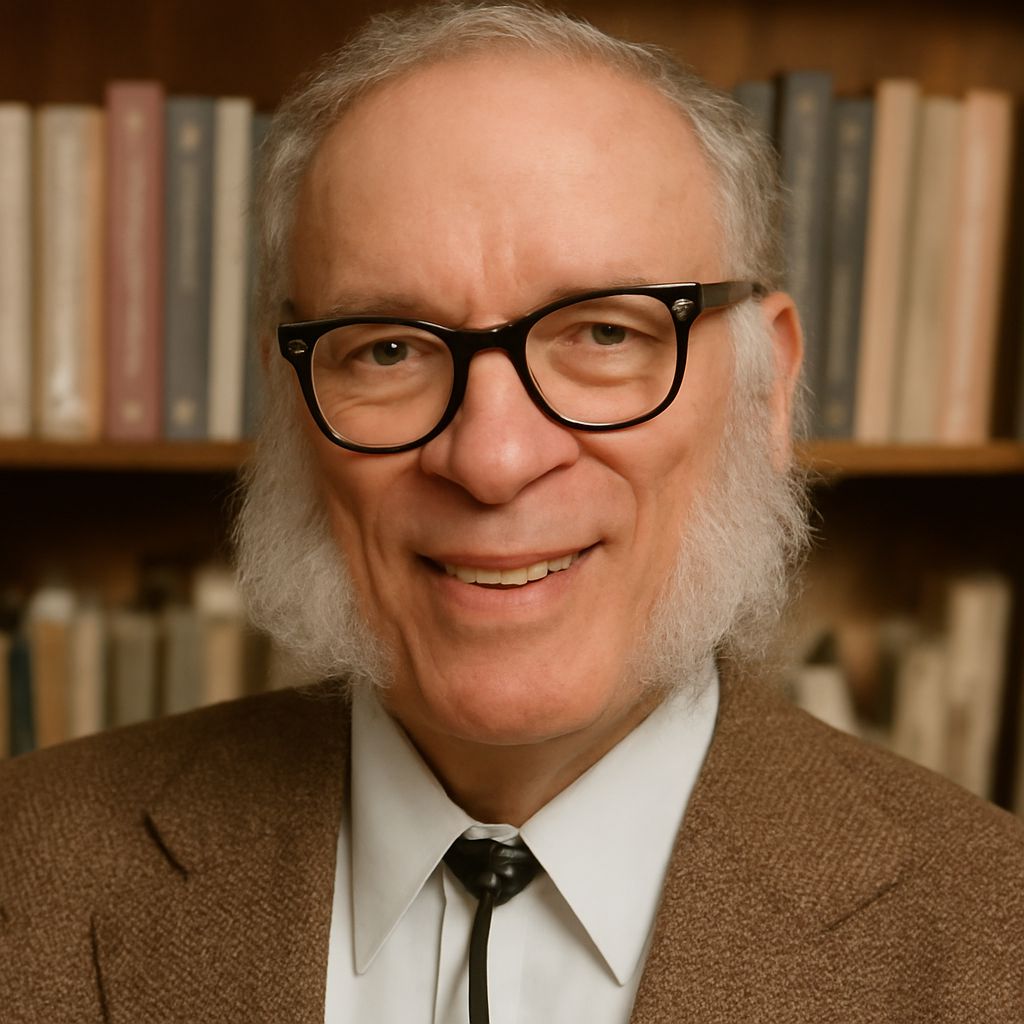
Isaac Asimov is a towering figure in the world of science fiction and literature. Renowned for his prolific output and groundbreaking ideas, Asimov’s work continues to captivate readers around the globe. This article delves into the breadth of his writing career, the sheer number of books he authored, and his lasting impact on the literary world.
Isaac Asimov’s prolific writing career
Isaac Asimov’s career as a writer is nothing short of extraordinary. He was known for his ability to write across multiple genres, contributing to science fiction, popular science, and even mystery. His writing was not only prolific but also diverse, touching on various themes and ideas that have influenced countless writers and thinkers.
How many books did Isaac Asimov write?
Isaac Asimov wrote an astonishing total of more than 500 books. This includes both his fiction and non-fiction works. His impressive bibliography encompasses novels, short stories, essays, and academic texts. Asimov’s ability to produce such a vast amount of work is a testament to his dedication and mastery of the written word.
Who is Isaac Asimov?
Isaac Asimov was an American author and professor of biochemistry, born on January 2, 1920, in Petrovichi, Russia. He emigrated to the United States with his family at a young age. Asimov’s academic background in science contributed significantly to the authenticity and depth of his writing. He is perhaps best known for his Foundation series and the Robot series, both of which have left an indelible mark on the science fiction genre.
Asimov’s impact on science fiction and literature
Asimov’s work has had a profound impact on both science fiction and literature at large. His Foundation series introduces the concept of psychohistory, a fictional science that combines history, sociology, and statistical mathematics to predict the future of large populations. This series, along with his Robot series—which explores themes of artificial intelligence and robotics—has influenced not just writers but also scientists and futurists.
Beyond his fiction, Asimov’s non-fiction books have made science accessible to the general public. His ability to explain complex scientific concepts in a clear and engaging manner has inspired many to pursue careers in science and technology. Asimov’s legacy endures, as his ideas continue to resonate with readers and thinkers around the world.