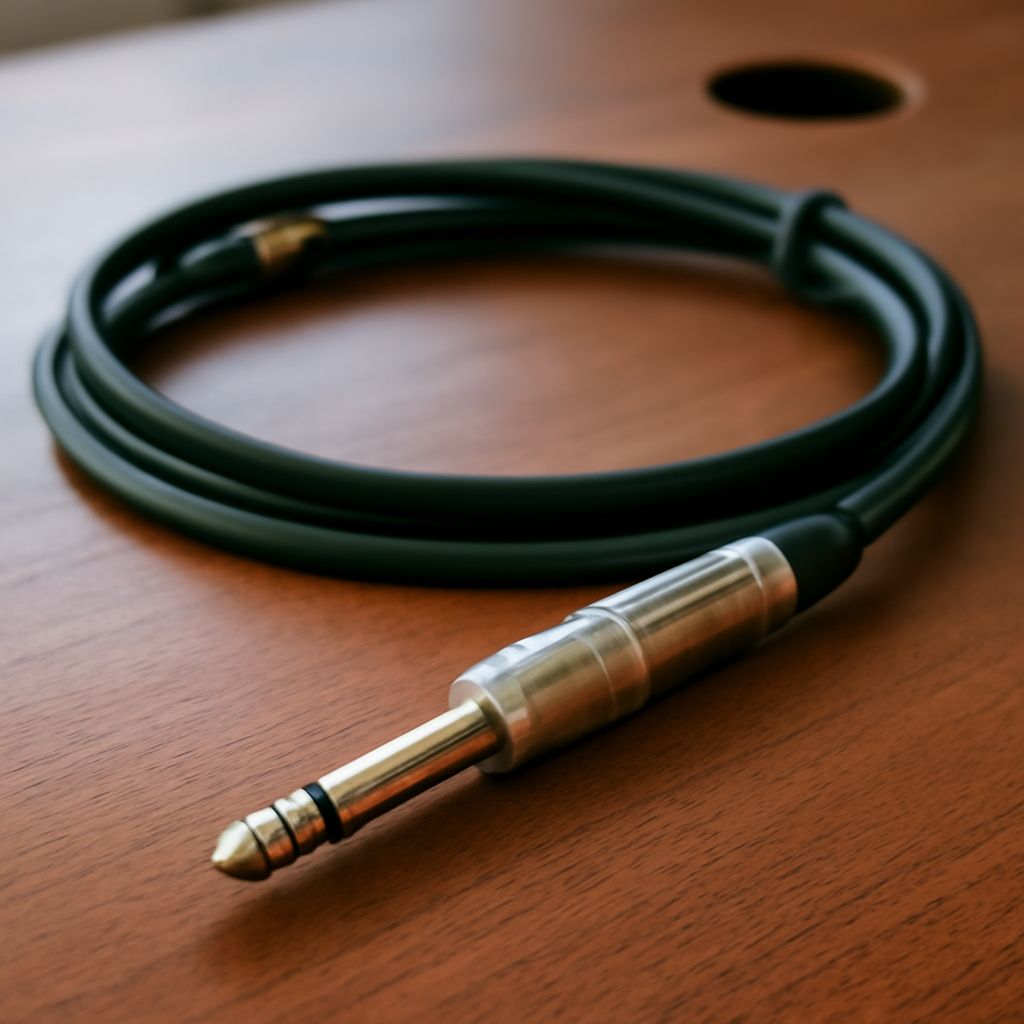
When it comes to audio connections, understanding the differences between TS and TRS cables is crucial, especially if you’re setting up microphones. Both cables are commonly used in audio equipment, but they serve different purposes and have distinct characteristics. This guide will help you navigate the differences and choose the right cable for your needs.
What is a TS cable?
A TS cable, also known as Tip-Sleeve, is a type of unbalanced audio cable. It’s typically used for connecting instruments like electric guitars to amplifiers. The cable consists of two parts: the tip, which carries the audio signal, and the sleeve, which acts as the ground. TS cables are characterized by having a single black ring on the connector. Because of their unbalanced nature, TS cables are more susceptible to noise and interference, making them less ideal for long cable runs.
What is a TRS cable?
A TRS cable, or Tip-Ring-Sleeve, is a balanced audio cable commonly used for a variety of audio applications, including microphones, headphones, and audio interfaces. The TRS connector has three parts: the tip, which carries the positive signal; the ring, which carries the negative signal; and the sleeve, which is the ground. This configuration allows for better noise rejection, making TRS cables more suitable for longer distances. TRS cables are often seen with two black rings on the connector, distinguishing them from TS cables.
TS vs TRS: Key differences
The primary difference between TS and TRS cables lies in their construction and functionality. TS cables are unbalanced and have two connection points, while TRS cables are balanced with three connection points. This difference makes TS cables more prone to interference, whereas TRS cables provide better sound quality over longer distances due to their noise-canceling properties. Additionally, TS cables are typically used for mono signals, such as electric guitar outputs, whereas TRS cables can handle both mono and stereo signals, making them more versatile for audio setups.
Choosing the right cable for your setup
When deciding between TS and TRS cables for your microphone setup, consider the following factors:
- Distance: If you need to run cables over long distances, TRS cables are the better choice due to their balanced nature and ability to reject noise.
- Signal Type: Determine whether you need a mono or stereo signal. For mono signals, a TS cable may suffice, but for stereo or balanced audio, opt for a TRS cable.
- Application: Consider what you’re connecting. If you’re linking a guitar to an amp, a TS cable is appropriate. For microphones or professional audio equipment, a TRS cable is usually the preferred option.
- Budget: TS cables tend to be cheaper, but investing in TRS cables can improve audio quality and provide versatility.
In conclusion, the choice between TS and TRS cables depends on your specific audio needs. Understanding their differences will help ensure you select the right cable for optimal performance and sound quality in your setup.