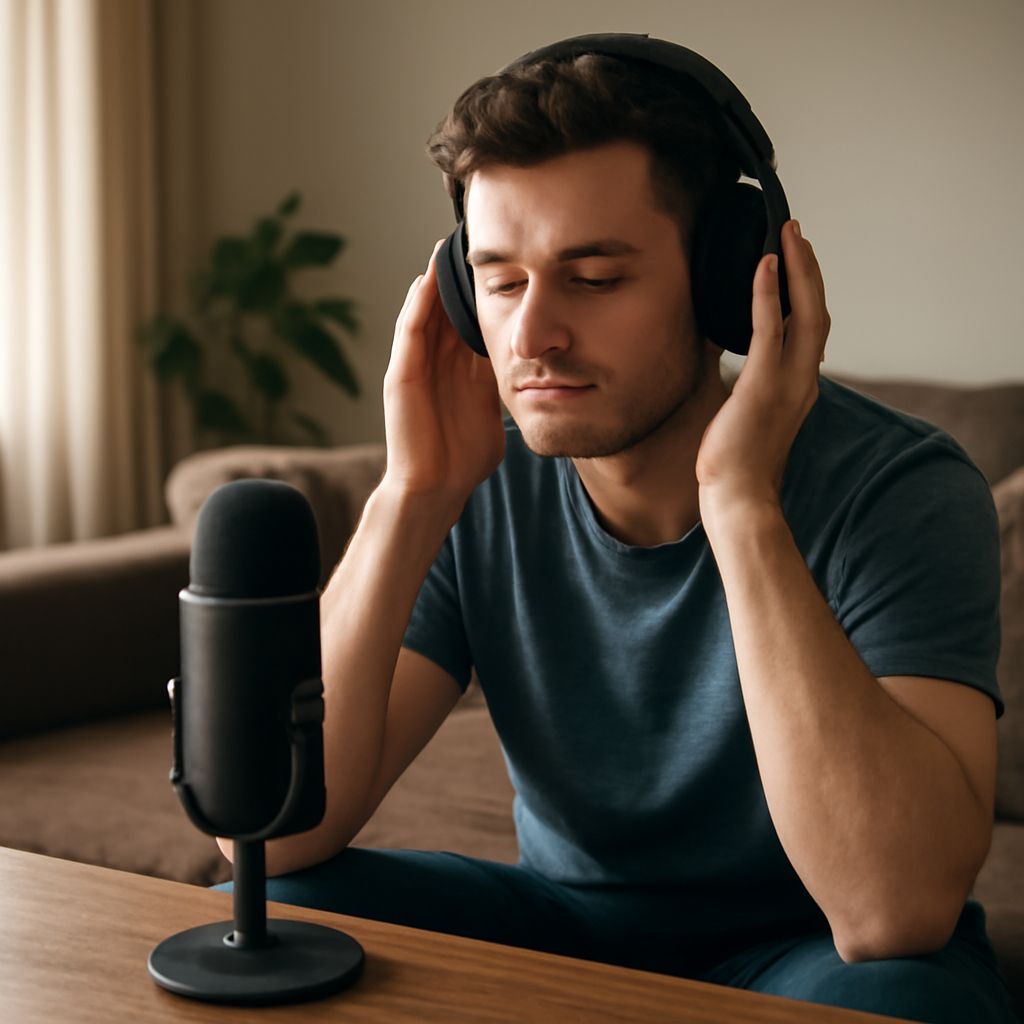
Active noise cancellation (ANC) is a sophisticated technology used in headphones to create an immersive audio experience by reducing unwanted ambient sounds. This technology has become increasingly popular, especially in noisy environments such as airplanes, public transportation, and busy urban areas. Understanding how active noise cancellation works and its benefits can help users make informed decisions when purchasing headphones.
Understanding active noise cancellation
Active noise cancellation, or ANC, works by using microphones and speakers to reduce unwanted sound. The microphones pick up external noise, and the ANC system generates sound waves that are the exact opposite (antiphase) of these unwanted sounds. When these antiphase sound waves meet the ambient noise, they cancel each other out, effectively reducing the noise. This process of active noise control allows users to enjoy clearer audio without increasing the volume to dangerous levels.
Components of noise cancelling headphones
Noise cancelling headphones consist of several key components that make ANC possible. The primary components include:
- Microphones: These are positioned on the outside or inside of the headphones to pick up surrounding sounds. Some headphones use multiple microphones to capture a wider range of frequencies.
- ANC Processor: This component analyzes the captured sound and creates antiphase sound waves to negate the noise.
- Speakers: The speakers play both the desired audio and the antiphase sound waves simultaneously, resulting in reduced background noise.
- Ear Cups and Padding: While not part of the active noise cancellation technology, the design of ear cups and padding can enhance passive noise isolation, boosting the overall effectiveness of ANC.
Benefits of noise cancelling technology
The benefits of noise cancelling technology are numerous and make it an attractive feature in modern headphones. Key advantages include:
- Improved Audio Quality: By reducing background noise, ANC allows users to hear music or voice audio more clearly and at lower volumes, which can protect hearing.
- Enhanced Focus and Concentration: In noisy environments, ANC headphones help users focus on tasks without distractions, making them popular for work or study.
- Reduced Fatigue: Continuous exposure to noise can be mentally exhausting. ANC headphones reduce this strain by minimizing ambient noise.
- Versatility: Noise cancelling headphones are effective in various environments, from bustling streets to quiet offices, providing consistent performance across different settings.
Examples of effective noise control
Various brands have incorporated active noise cancellation technology into their headphones with great success. Some standout models include:
- Bose QuietComfort 35 II: Known for its superior noise cancellation capabilities, the Bose QuietComfort series remains a top choice for travelers and commuters.
- Sony WH-1000XM4: This model offers excellent ANC and sound quality, coupled with innovative features like adaptive sound control for different environments.
- Apple AirPods Pro: With their in-ear design and active noise cancellation, the AirPods Pro provide impressive noise reduction in a compact form.
- Sennheiser Momentum 3 Wireless: Renowned for both audio fidelity and effective noise cancellation, these headphones cater to audiophiles seeking premium sound.
Active noise cancellation has revolutionized the listening experience, offering a quieter and more immersive environment for audio enjoyment. By understanding how noise cancelling headphones work and their components, users can better appreciate the benefits and choose the right pair for their needs.