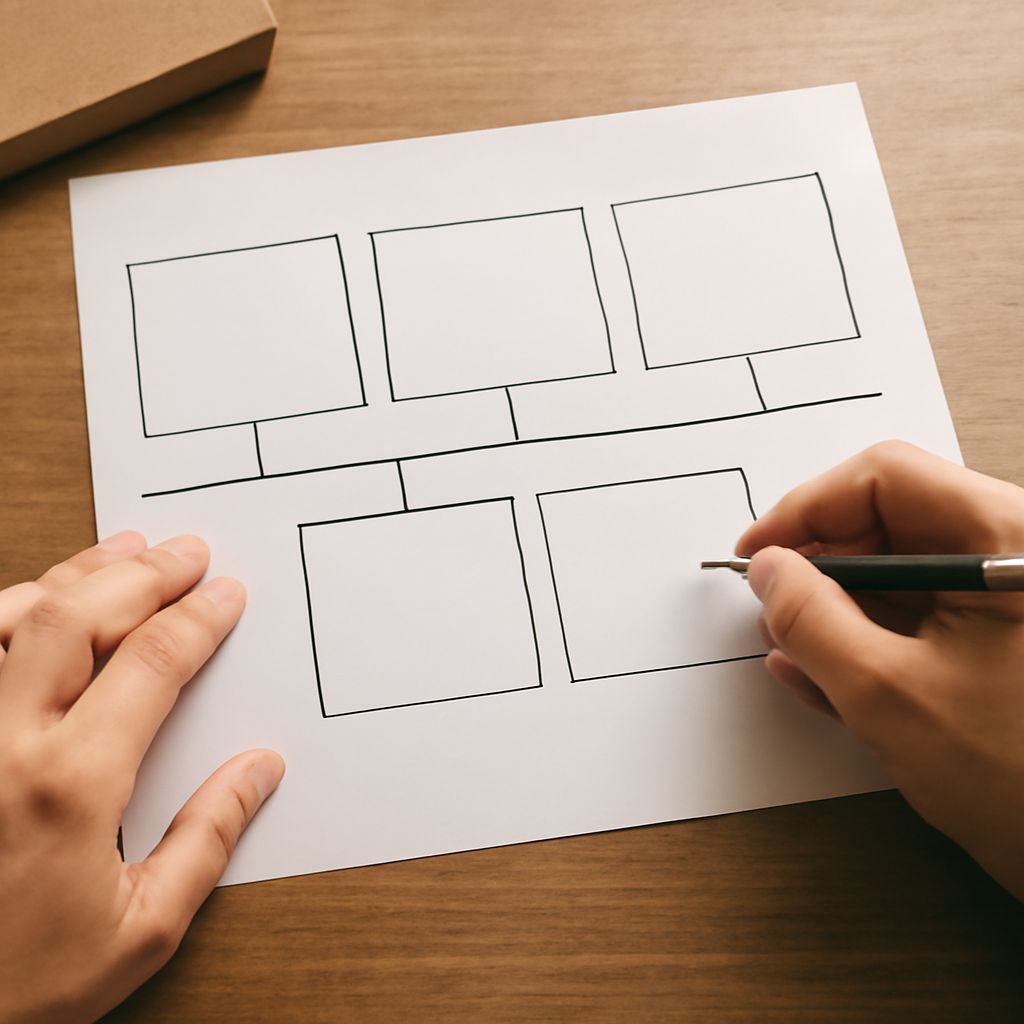
Creating a blank timeline is an effective way to organize and visualize the sequence of events in a story. Whether you’re a writer, teacher, or a student, timelines can help structure your narrative and ensure clarity. This guide will walk you through the steps to create a story timeline, utilize annotated timelines, and explore timeline templates designed specifically for kids.
Why use a blank timeline for storytelling
A blank timeline serves as a visual aid that helps storytellers organize events chronologically. It provides a clear framework for understanding how different parts of a story interconnect. This method is particularly useful in identifying the progression and pacing of a narrative, ensuring that key events are neither rushed nor dragged. By having a bird’s-eye view of the story, writers can spot inconsistencies and make necessary adjustments, enhancing the coherence and flow of their stories.
How to create a story timeline
To create a story timeline, start by listing out all major events and plot points. Arrange these events in chronological order. Consider using a large sheet of paper or a digital tool for flexibility. Mark each event with a short description and include the date or time frame if applicable. Once the main events are laid out, fill in secondary events and details that contribute to character development or plot twists. This structured approach provides clarity and helps maintain focus on the storyline.
Using annotated timelines
An annotated timeline adds depth and context to your story timeline. This involves adding notes, explanations, or commentary to each event on the timeline. Annotations can include character motivations, thematic elements, or potential foreshadowing. This method not only aids in remembering key details but also enhances the storytelling by providing richer context. An annotated timeline can be particularly helpful during the editing process, offering insights into the intended emotional and narrative impact of each event.
Timeline templates for kids
Timeline templates for kids are designed to simplify the process of creating story timelines. These templates often include colorful graphics and prompts that make storytelling engaging and accessible for young learners. Many templates offer spaces for illustrations or stickers, allowing kids to creatively express their understanding of the story. Using these templates, children can grasp the concept of sequencing and cause-and-effect relationships, fundamental skills in both storytelling and comprehension.