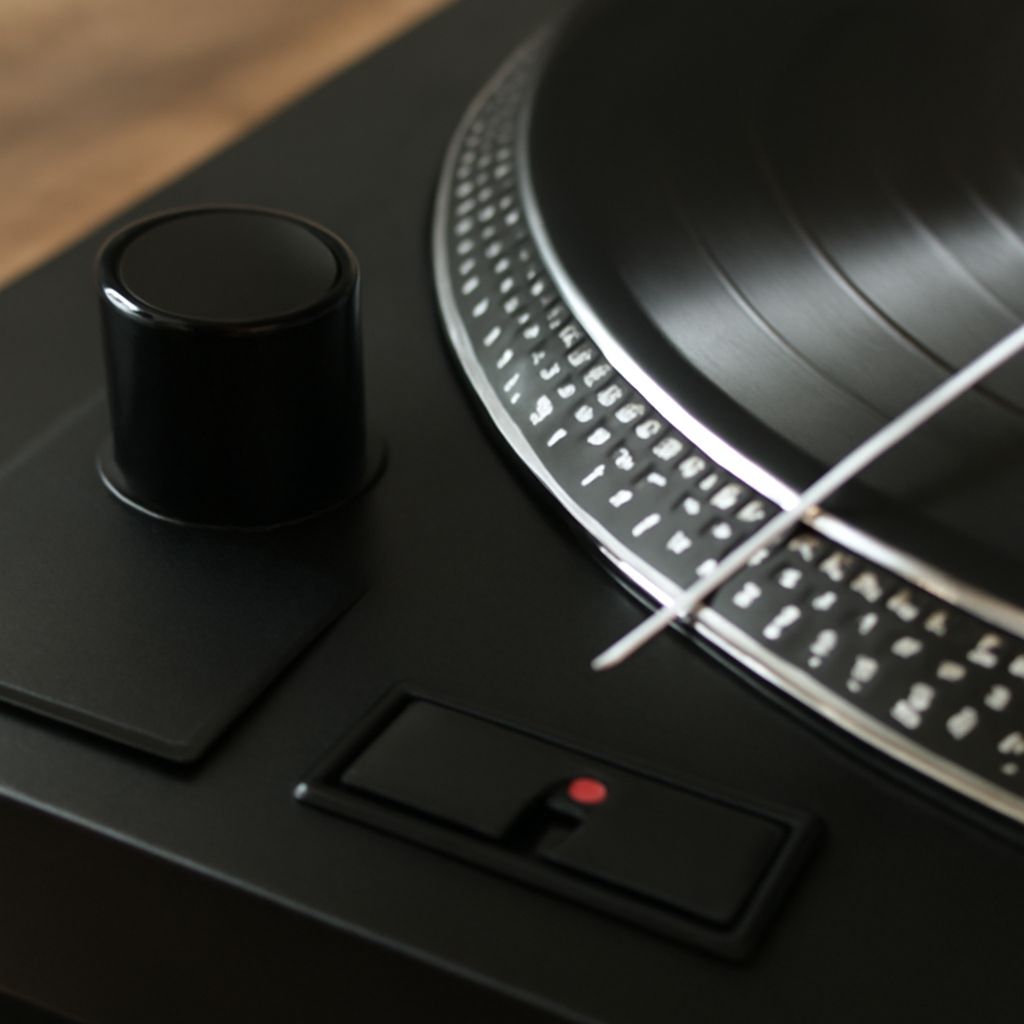
A record player, often cherished for its nostalgic charm and rich sound, consists of several intricate components. Each part plays a vital role in delivering the warm, analog audio that vinyl enthusiasts adore. Understanding the parts of a record player, including the turntable, helps in appreciating how these devices bring records to life.
Key components of a record player
To fully comprehend a record player’s functionality, it’s essential to know its key components. The primary parts include the platter, tonearm, cartridge, and plinth. Each component contributes to the overall sound quality and performance.
- Platter: The platter is the rotating platform where the vinyl record sits. It needs to spin at a constant speed to ensure accurate sound reproduction. Materials like aluminum, glass, or acrylic often make up the platter, affecting its weight and vibration reduction capabilities.
- Tonearm: The tonearm is the long, movable arm that holds the cartridge. It guides the needle or stylus along the record grooves. Tonearms can be straight or S-shaped, each offering different tracking performance and sound quality.
- Cartridge: Attached to the end of the tonearm, the cartridge houses the stylus. It plays a crucial role in sound quality, as it converts the grooves’ physical vibrations into electrical signals. Cartridges come in various types, such as moving magnet (MM) and moving coil (MC), each with unique performance characteristics.
- Plinth: The plinth is the base of the record player, providing stability and housing other components. Its construction materials and design influence vibration absorption, affecting sound quality.
Detailed look at the turntable
The turntable, a critical component of record players, demands further exploration. It consists of several interconnected parts that ensure the record spins at a consistent speed, crucial for sound fidelity.
- Motor: The motor drives the platter’s rotation. Turntables may use direct drive or belt drive systems. Direct drive motors connect directly to the platter, offering more torque and quick start-up times, often preferred by DJs. Belt drive systems, on the other hand, use a belt to connect the motor to the platter, providing better isolation from vibrations, which is ideal for audiophiles.
- Speed selector: This component allows users to choose between different rotation speeds, typically 33⅓, 45, and occasionally 78 RPM, to match the record type.
- Mat: Sitting between the record and the platter, the mat reduces vibrations and static, improving sound clarity. Mats can be made from rubber, felt, cork, or leather, each offering different audio characteristics.
How these parts create sound
Understanding how the various parts of a record player and turntable create sound enhances the listening experience. When a record spins on the platter, the stylus in the cartridge traces the grooves on the vinyl surface. This action generates vibrations, which the cartridge converts into electrical signals.
These signals travel through the tonearm to the record player’s internal preamp, where they are amplified and sent to speakers or an external amplifier. Each component, from the platter’s stability to the cartridge’s sensitivity, influences the sound’s accuracy and quality. The careful design and manufacture of these parts ensure that the record player delivers the unique, immersive sound that vinyl records are known for.